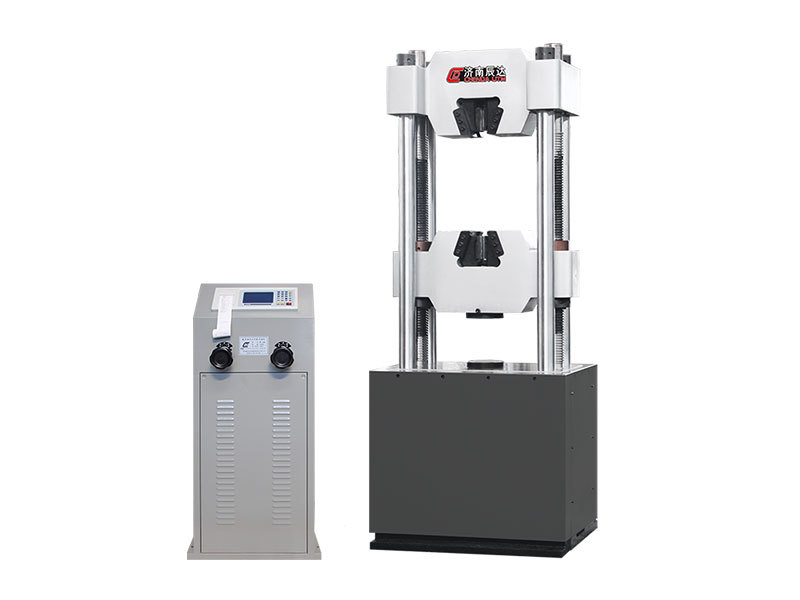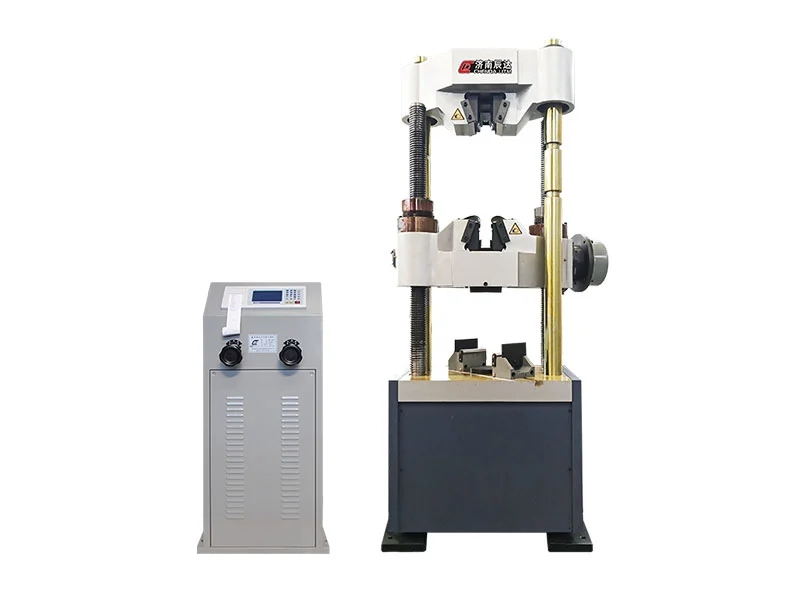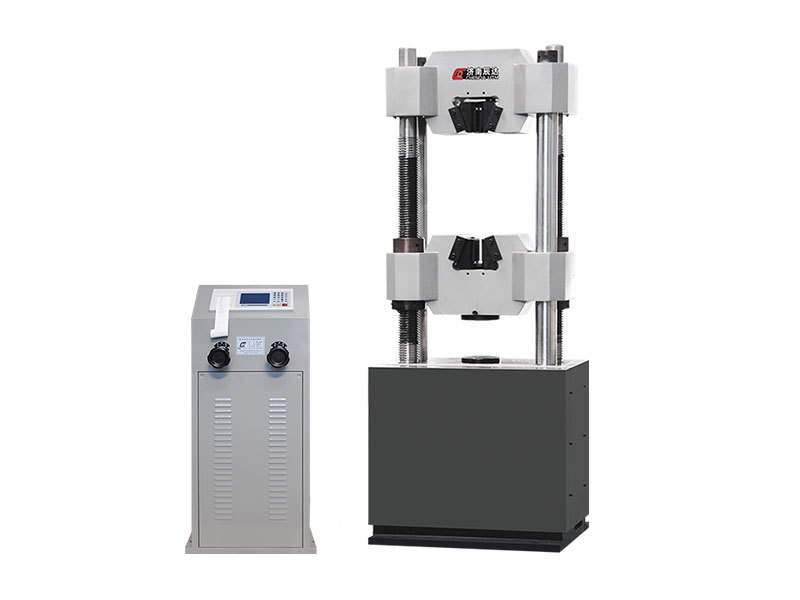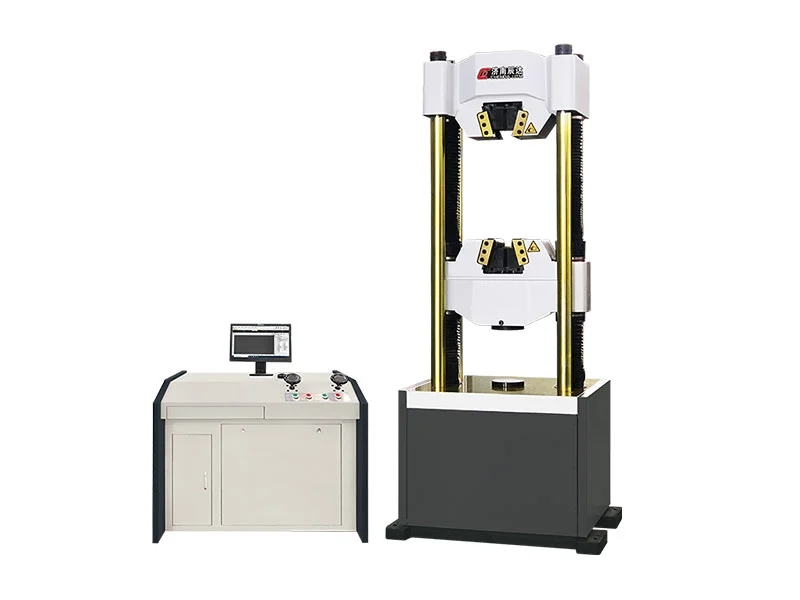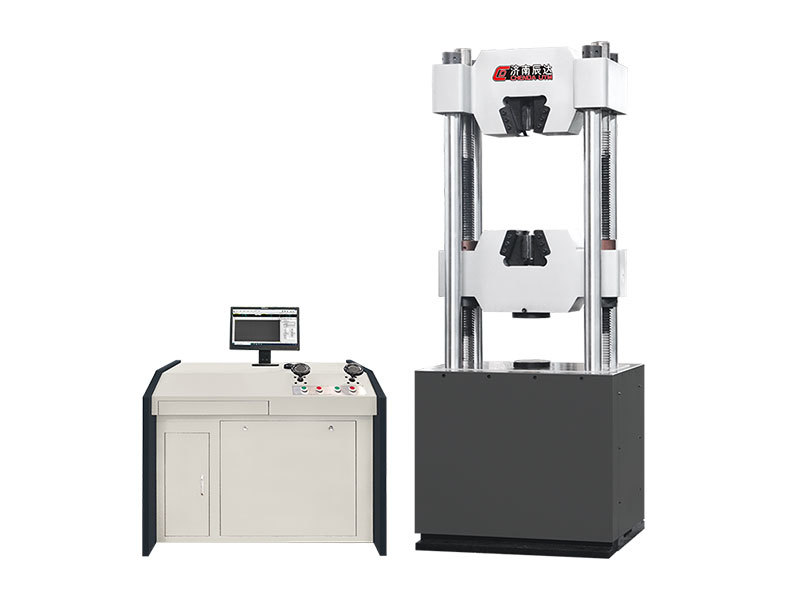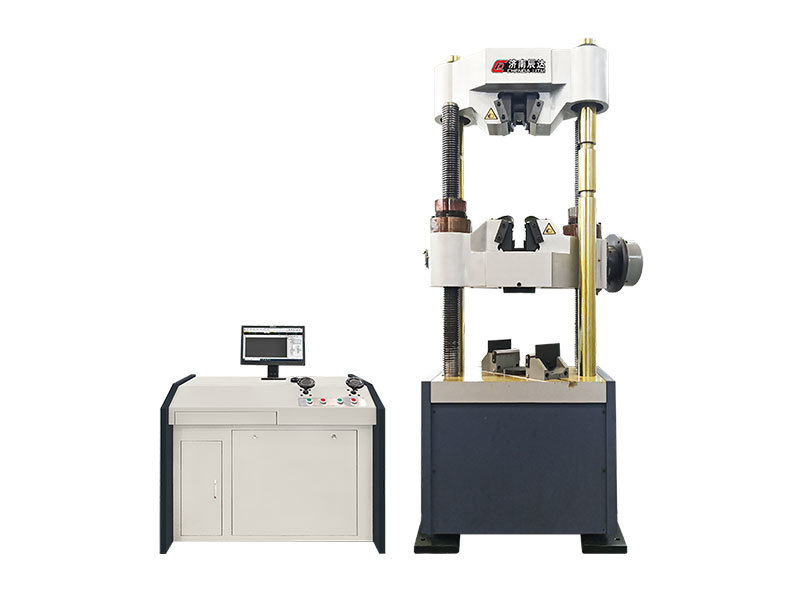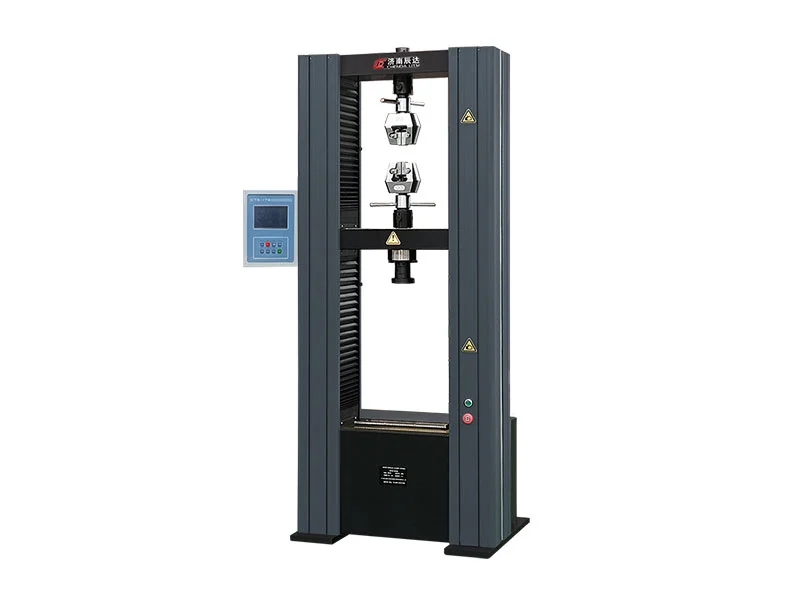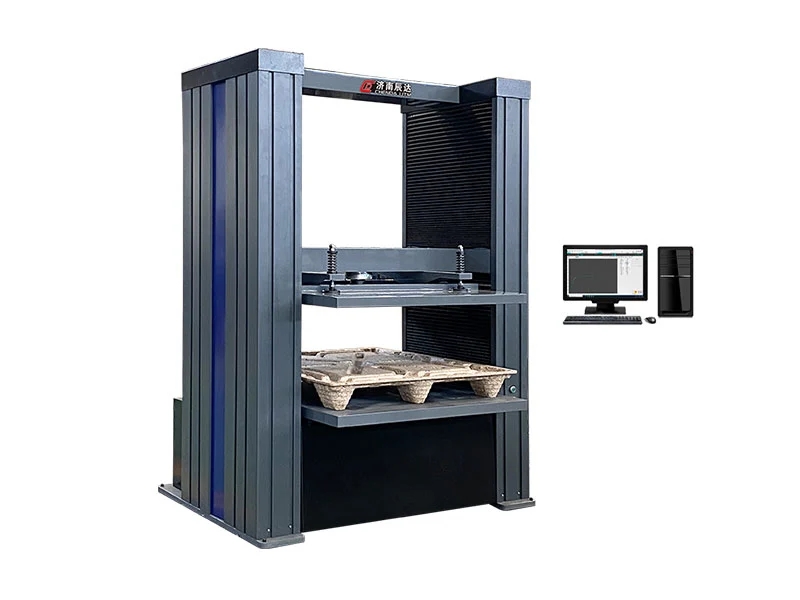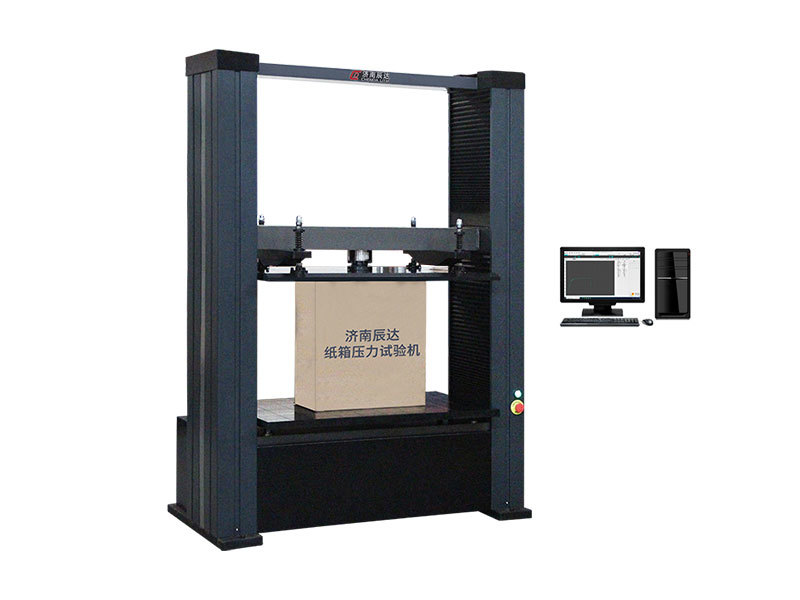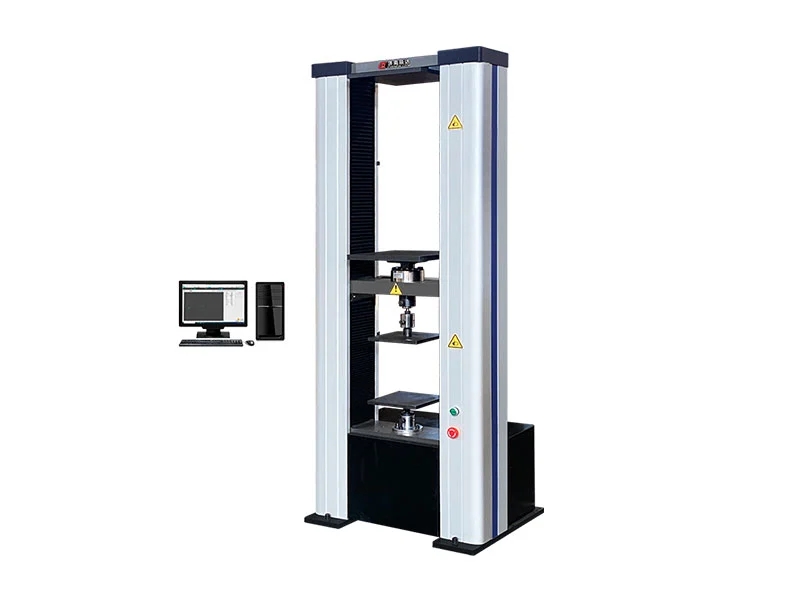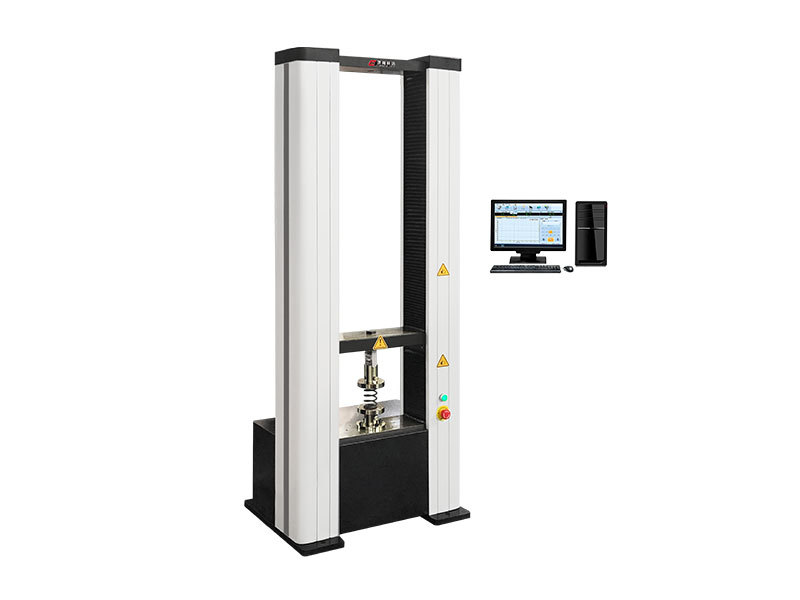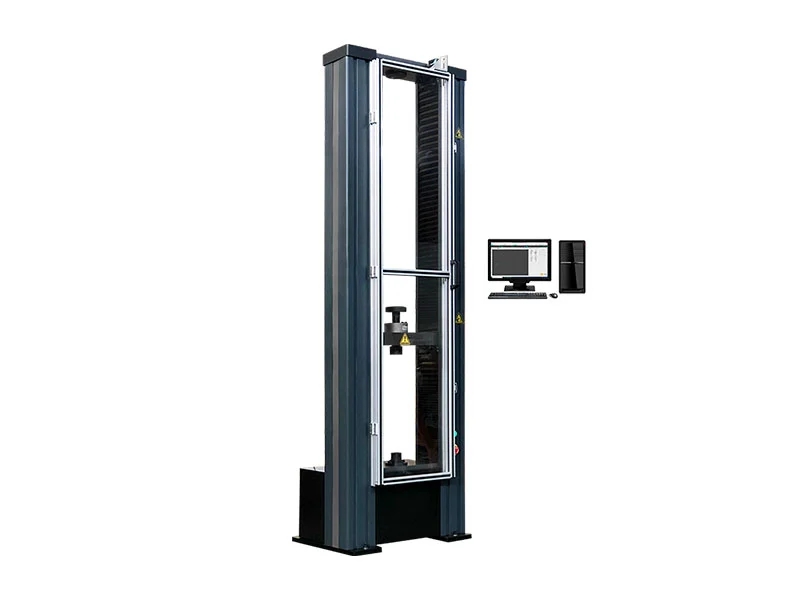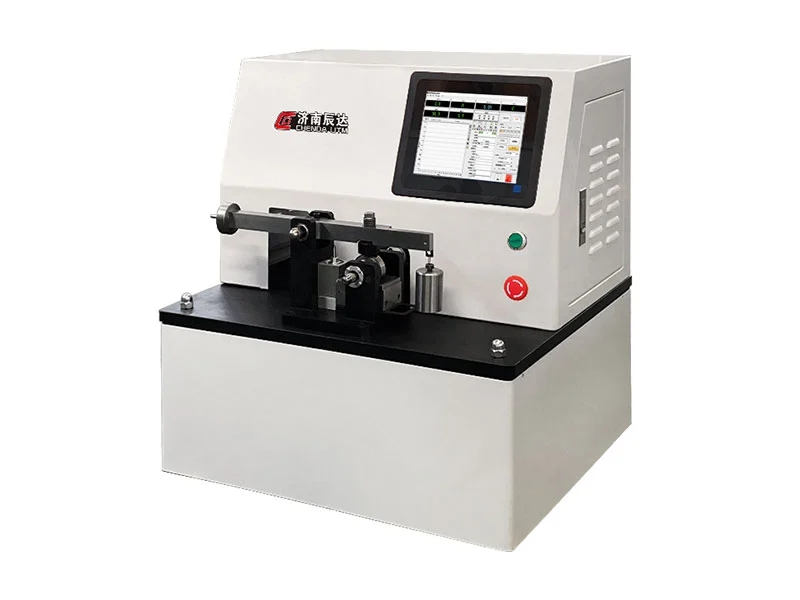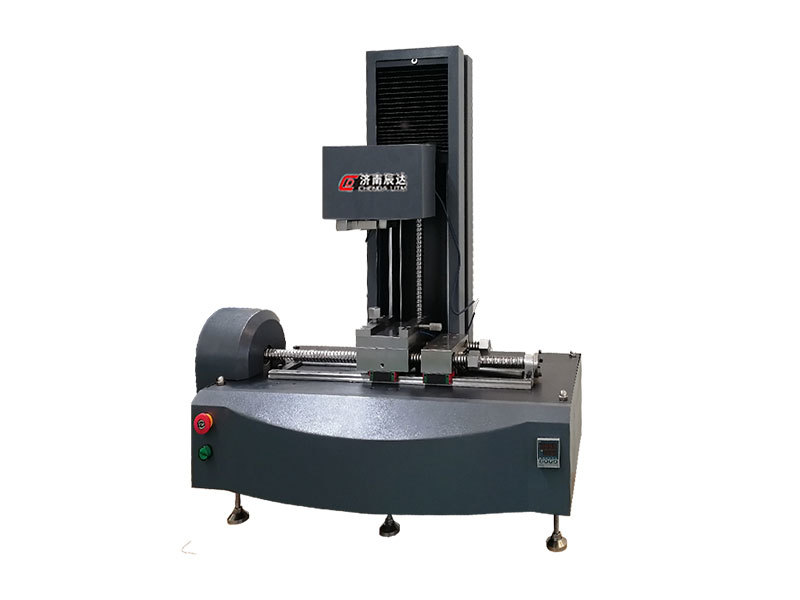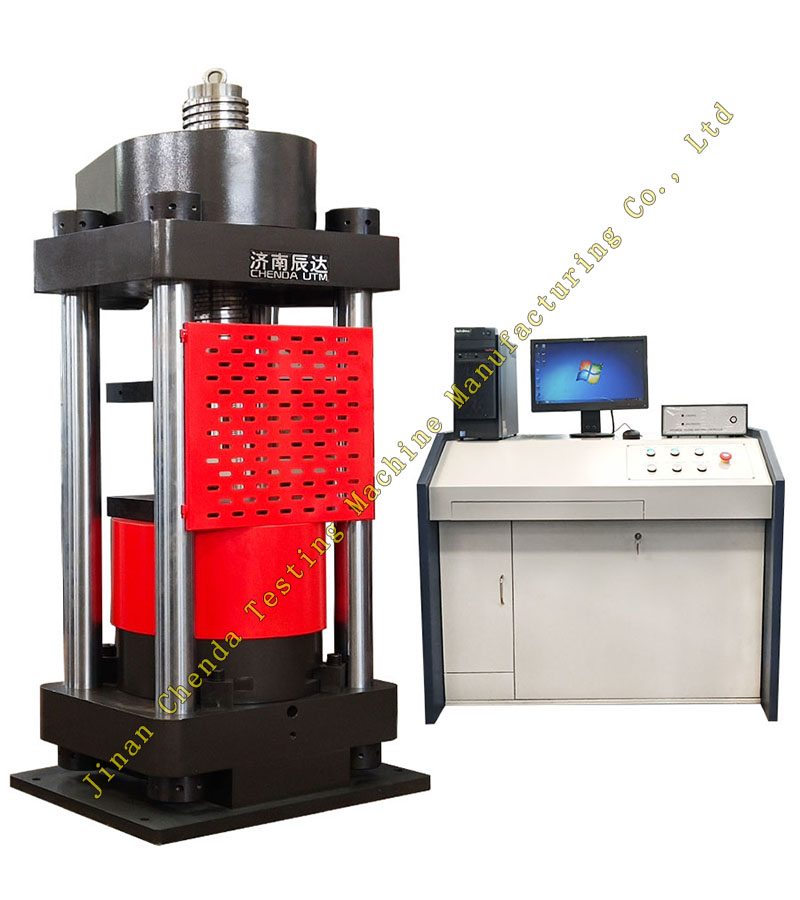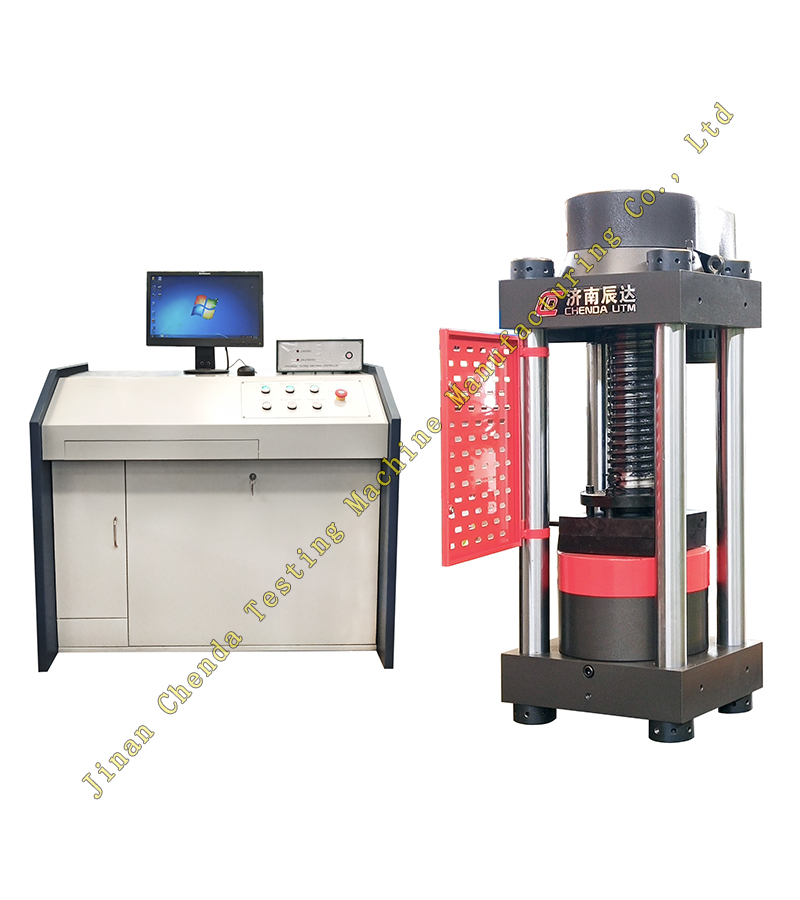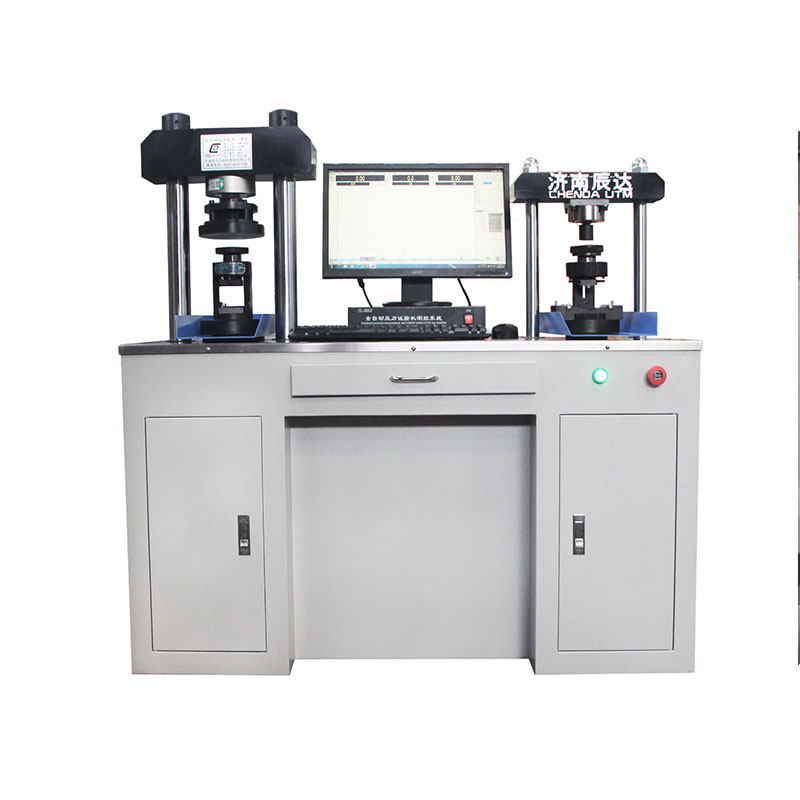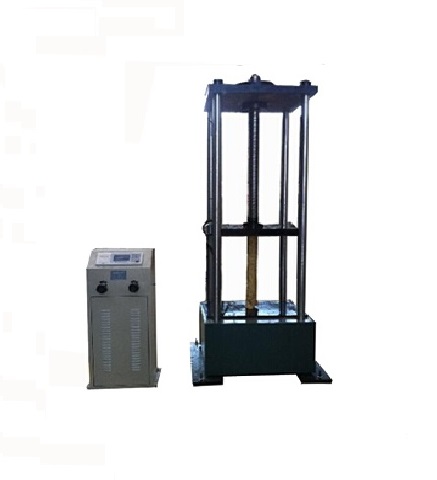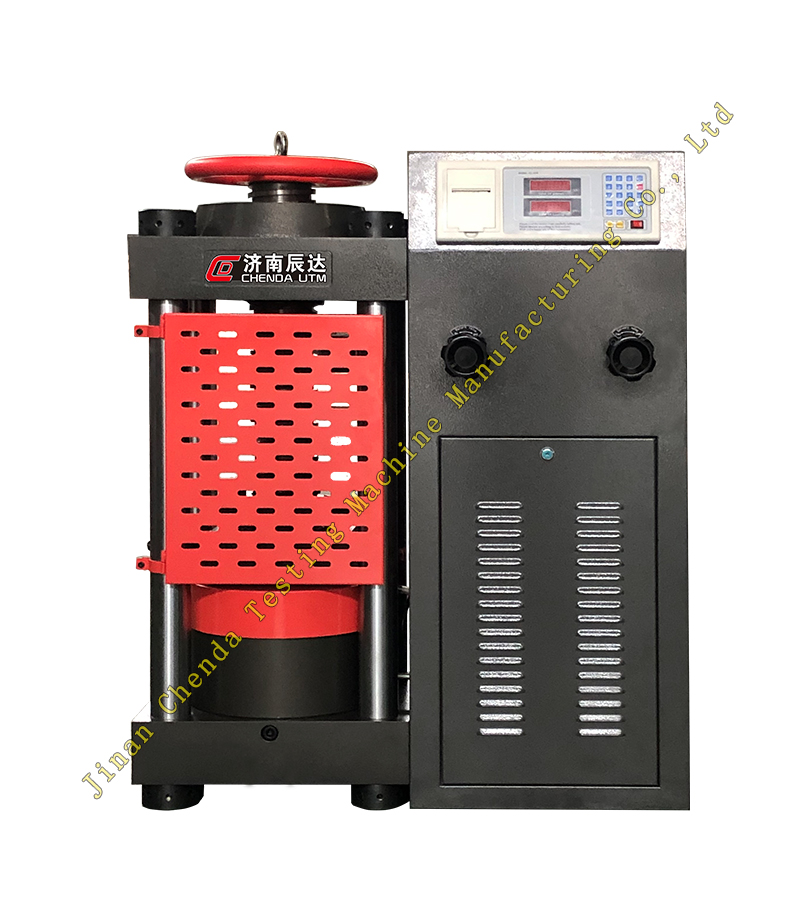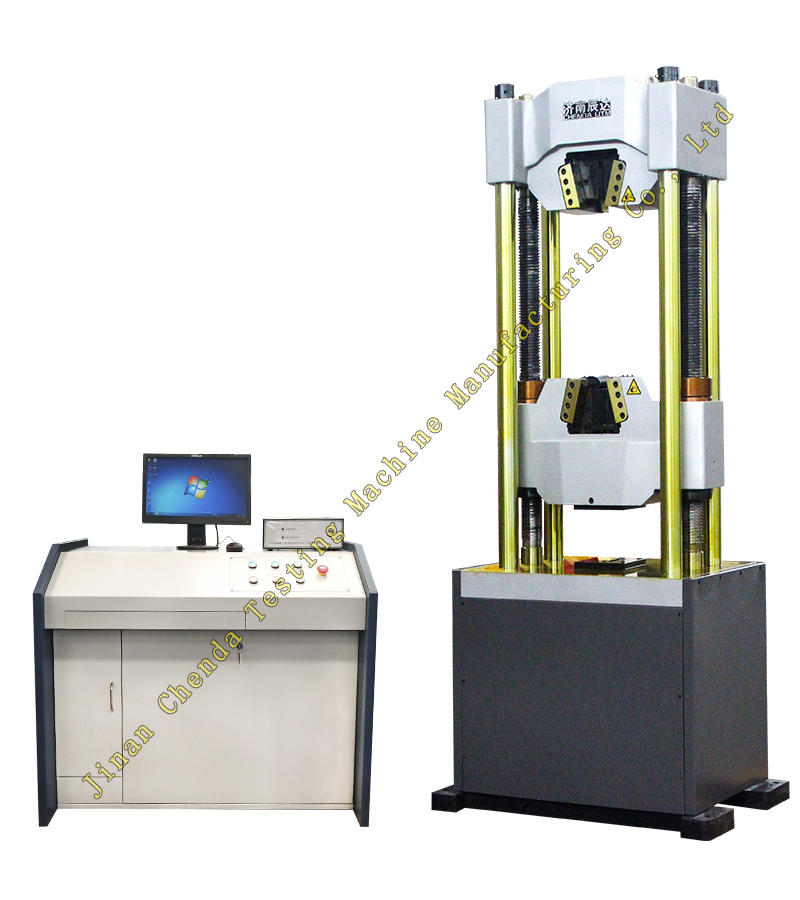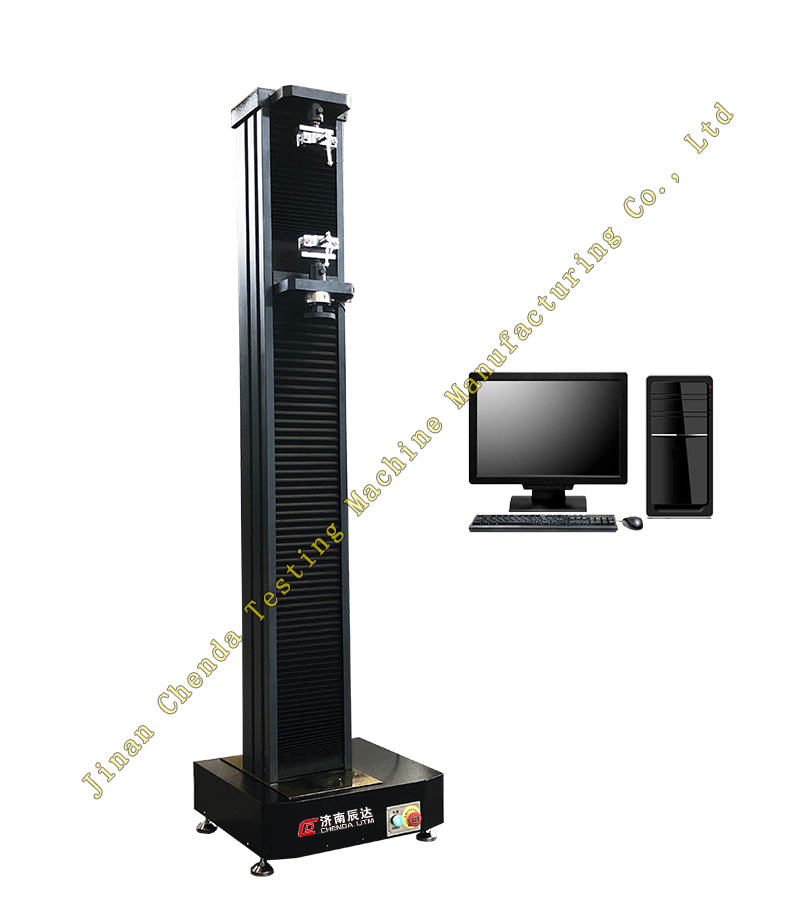
As a key equipment for testing the mechanical properties of materials, the plastic film tensile testing machine, with its accurate force and displacement measurement capabilities, widely serves quality control, research and development innovation, and compliance certification in multiple industries, becoming a core tool for ensuring the performance and application safety of film products.
In the packaging industry, its application is the most common. Packaging films in the fields of food, daily chemical, pharmaceutical, etc. need to have sufficient tensile strength, elongation at break, and heat sealing strength. The testing machine can simulate stress scenarios such as stretching and tearing during transportation and storage to detect whether the film is resistant to puncture and rupture, avoiding product deterioration or loss caused by packaging damage. At the same time, it helps enterprises meet the mandatory requirements of national standards such as GB/T 1040 for packaging materials.
In the field of agriculture, the durability of agricultural films such as greenhouse films and plastic films directly affects crop growth. The testing machine can detect the tensile fracture strength, right angle tear strength, and mechanical properties of the film after aging, ensuring that it is not easily damaged or cracked in harsh environments such as wind, sun, and rain, ensuring the long-term stability of insulation, moisture retention, insect prevention, and other functions, and providing support for improving the quality and efficiency of agricultural production.
The electronic and electrical industry has more stringent requirements for the mechanical properties of thin films. Flexible circuit boards, battery separators, electronic component packaging films, etc. need to be tested for tensile modulus, yield strength, and other indicators through testing machines to ensure good flexibility and fatigue resistance during assembly and use, and to avoid electronic device failures caused by insufficient mechanical properties of materials.
In the building materials industry, waterproof rolls, anti-seepage films, decorative films and other products rely on testing machines to detect their tensile strength, elongation at break and bonding strength, ensuring that the products are resistant to tension and tear during construction and long-term use, preventing leakage, detachment and other problems, and maintaining the safety and durability of building structures.
Its core role is reflected in three aspects: firstly, quality control, which eliminates non-conforming products through quantitative testing data to ensure consistency in product performance before leaving the factory; The second is research and development support, helping enterprises optimize film formulas and production processes, while reducing costs and improving product mechanical properties; The third is compliance certification, which provides authoritative testing basis for products to meet industry standards, market access requirements, and customer acceptance, reducing trade risks. In addition, the testing machine can also simulate mechanical testing in extreme environments to help enterprises predict the service life of products and provide data support for risk prevention and control in subsequent applications.