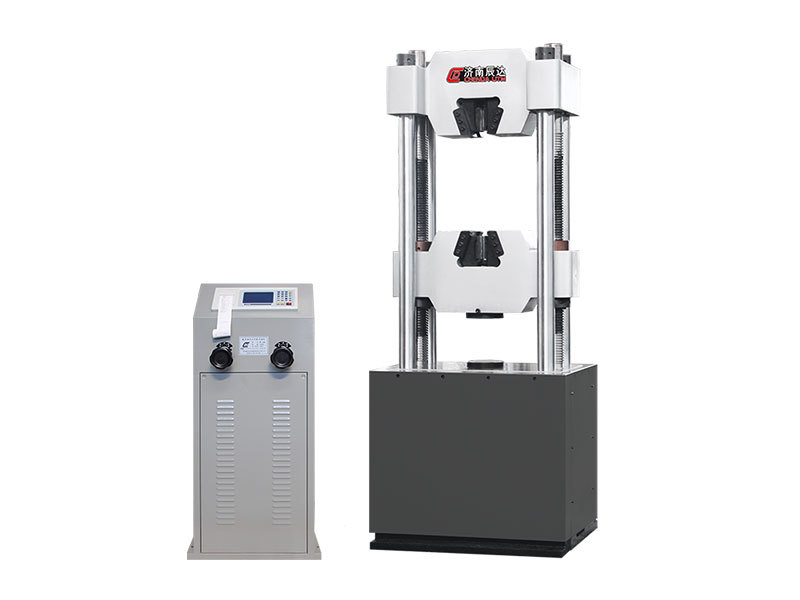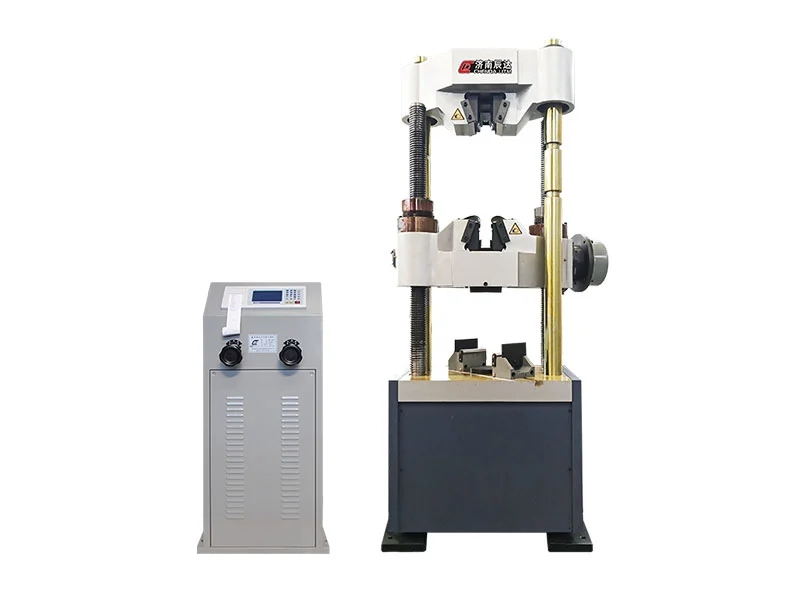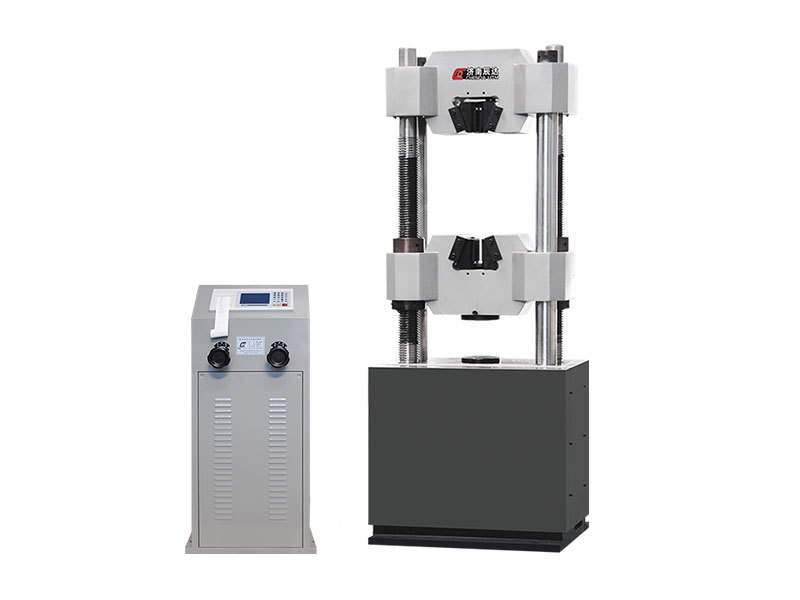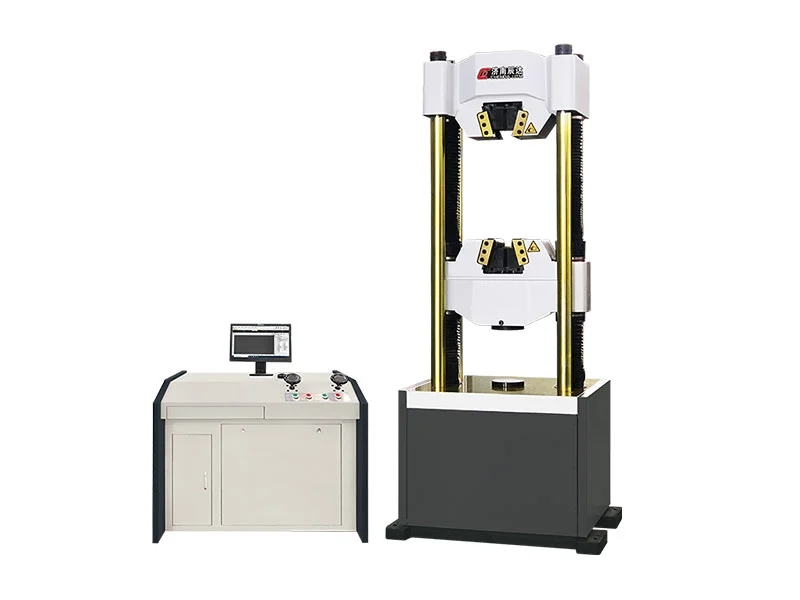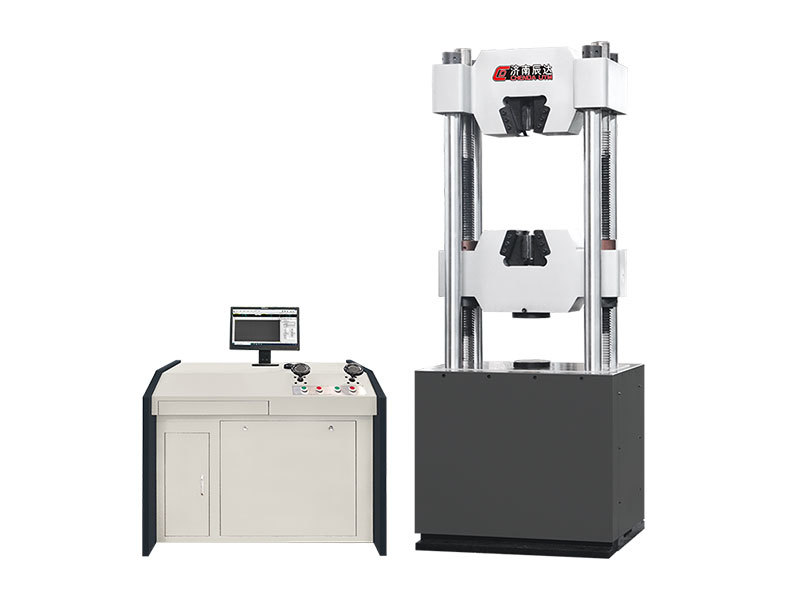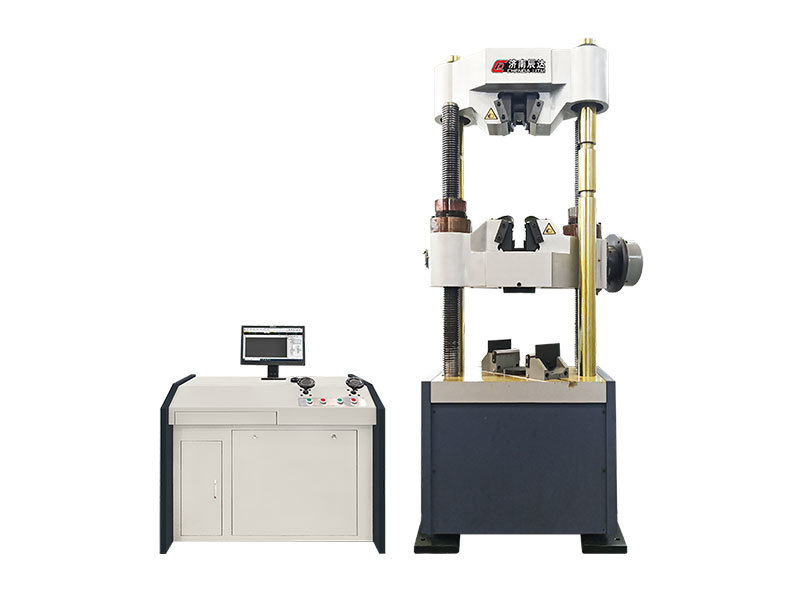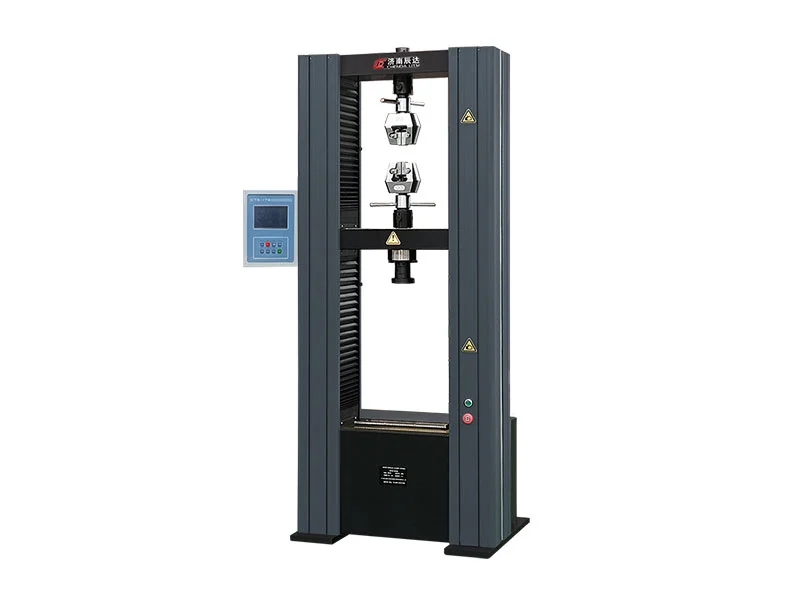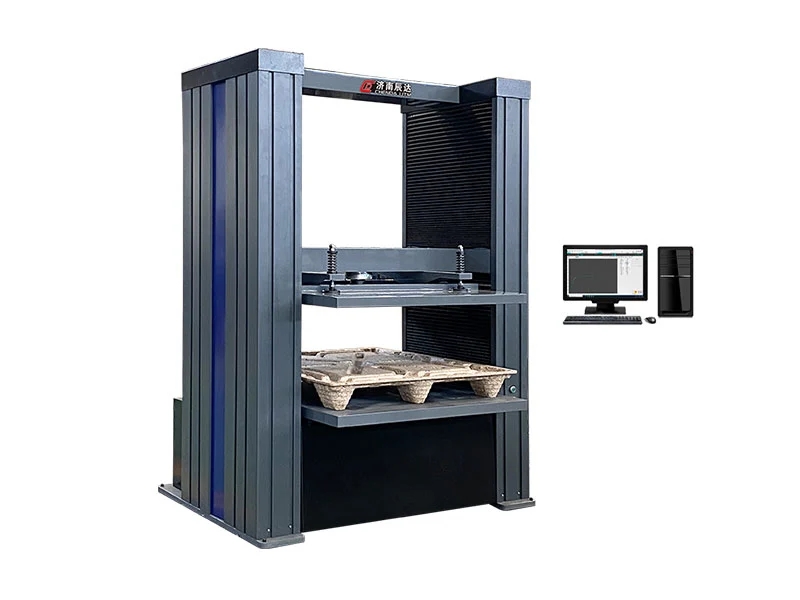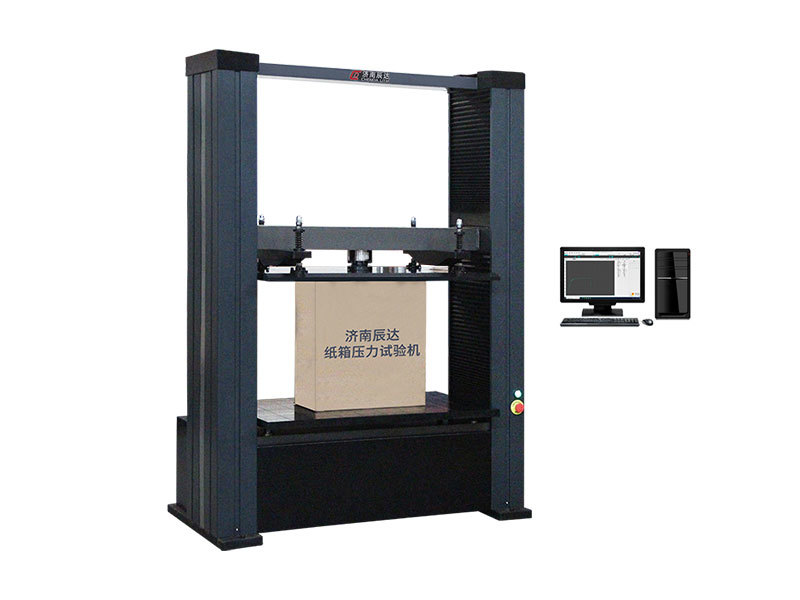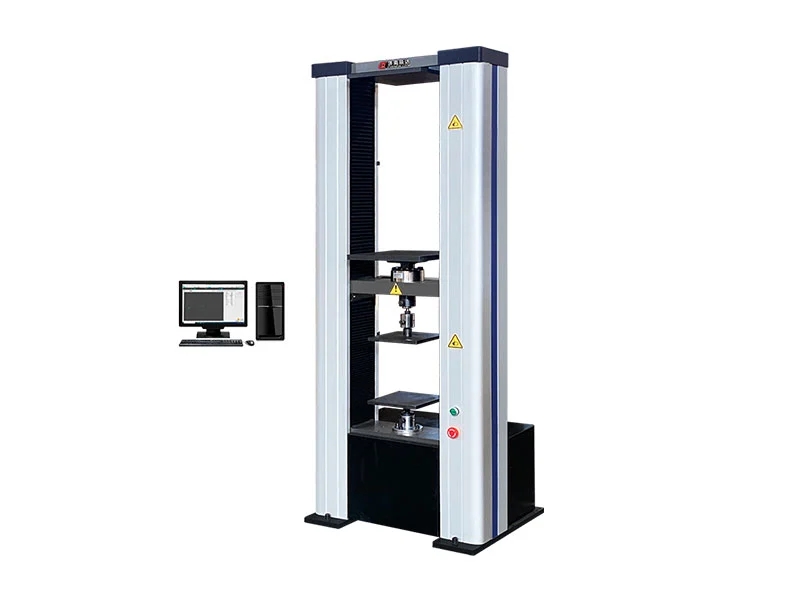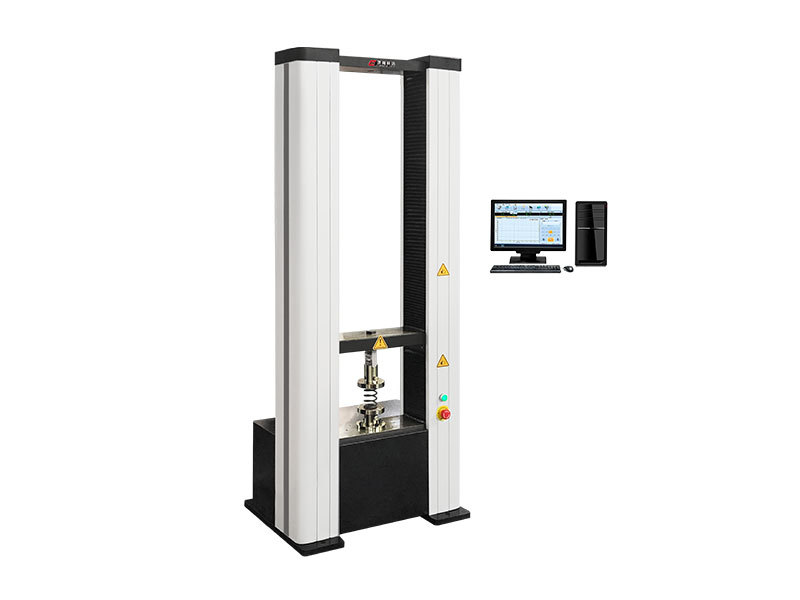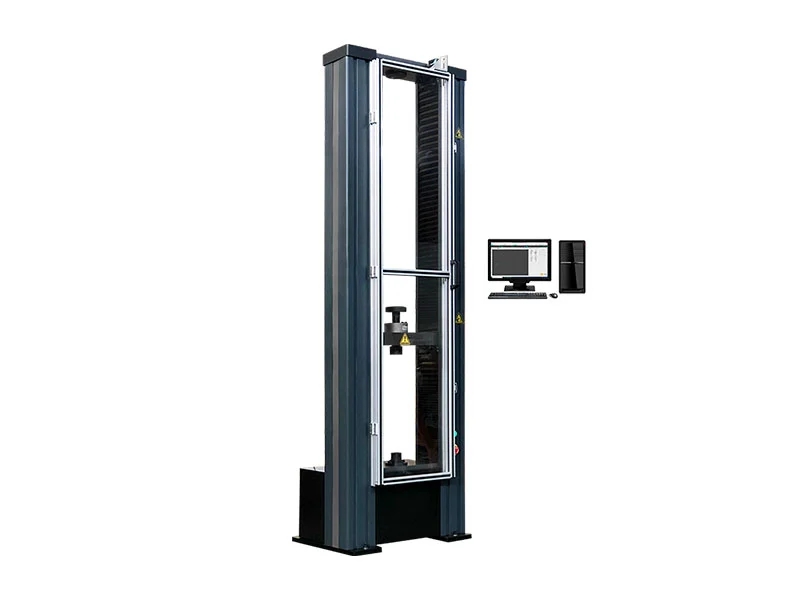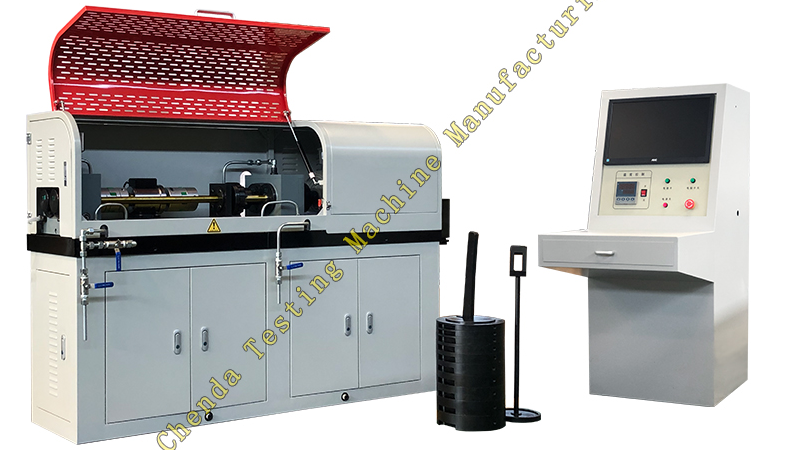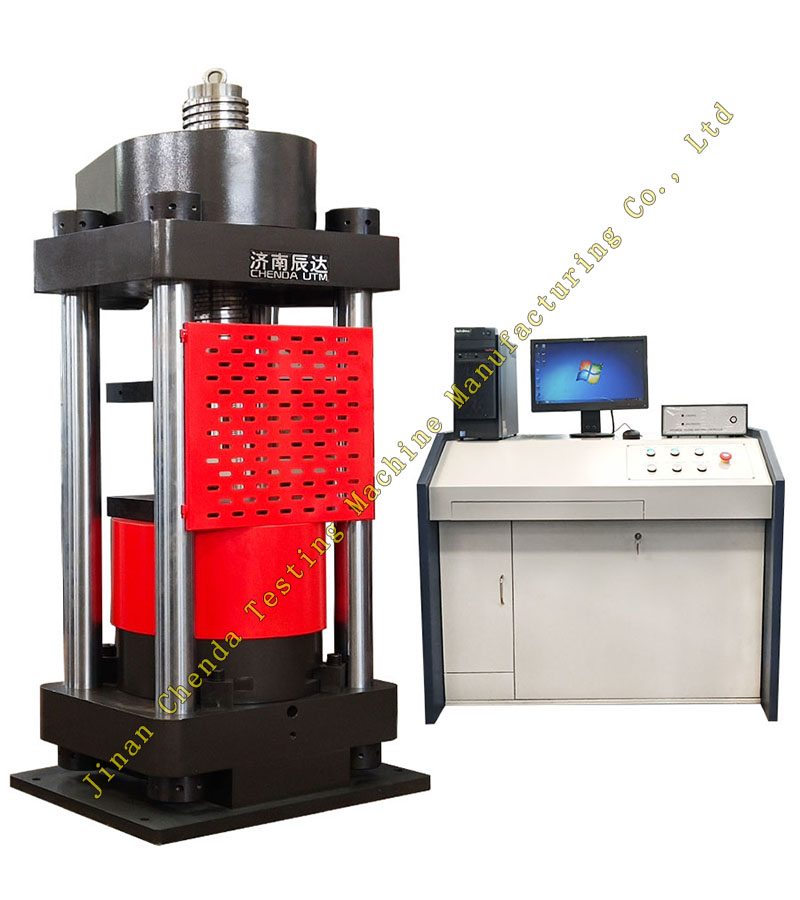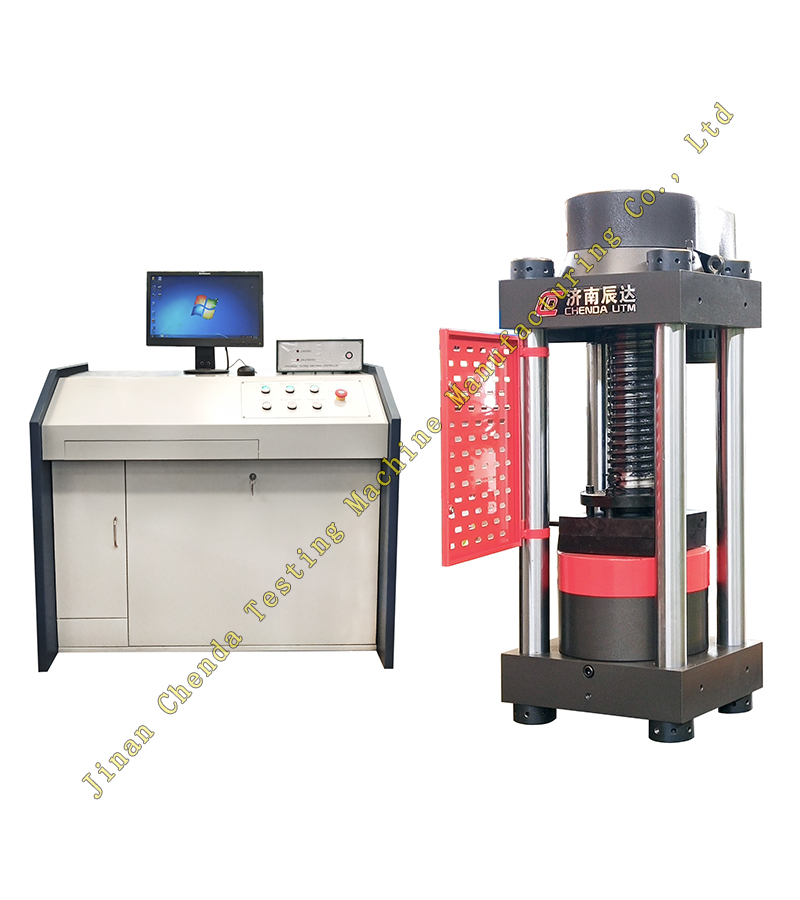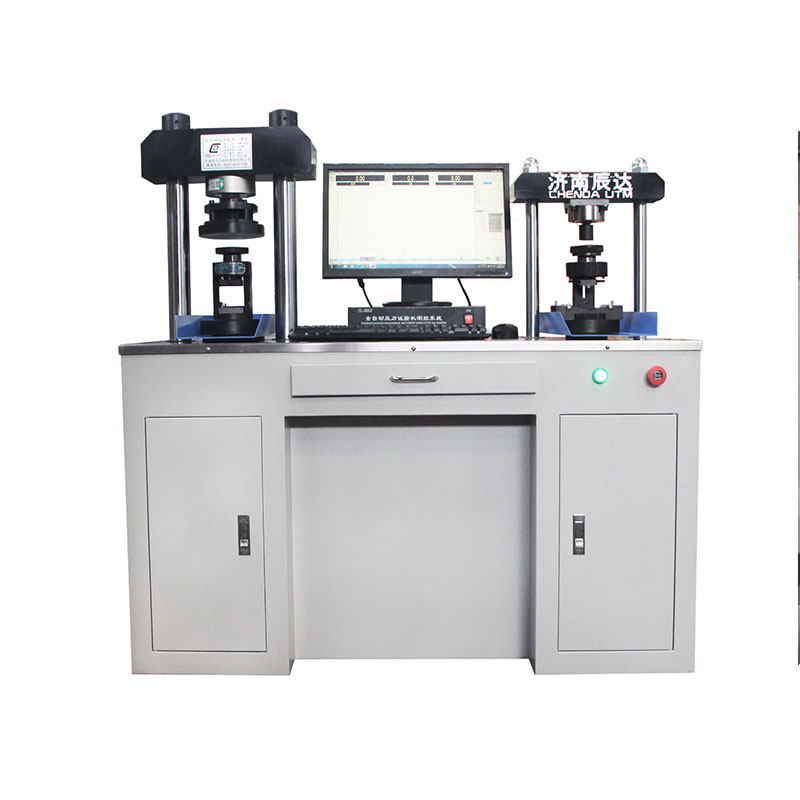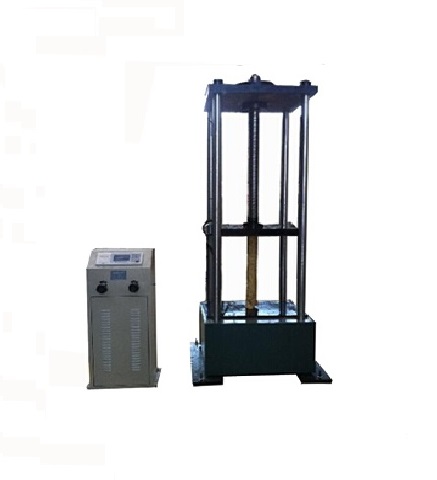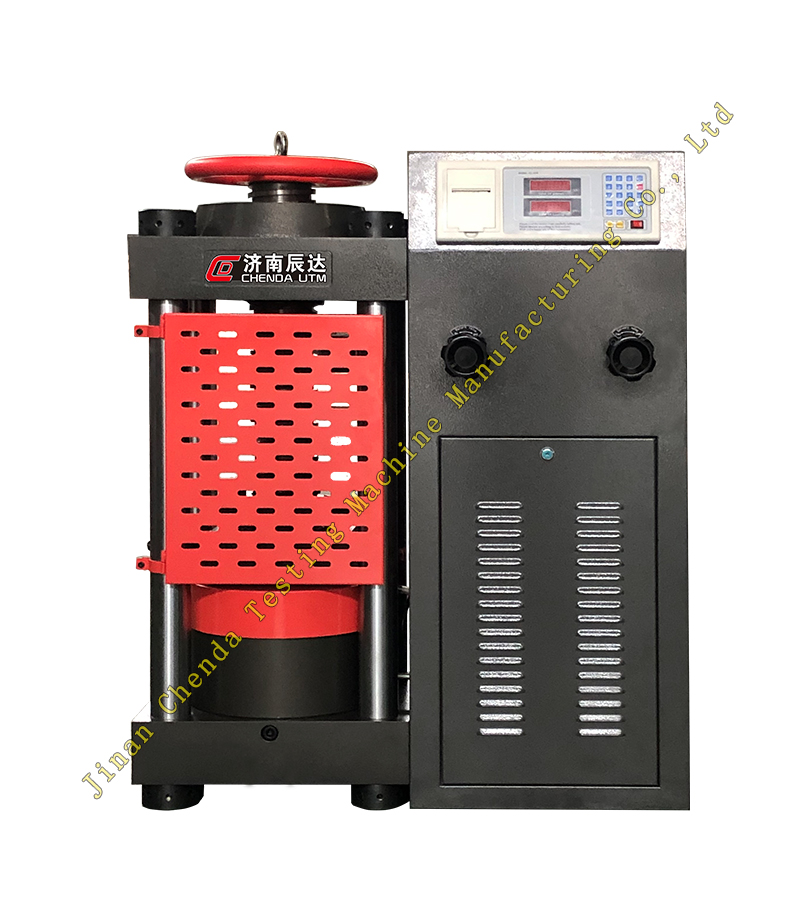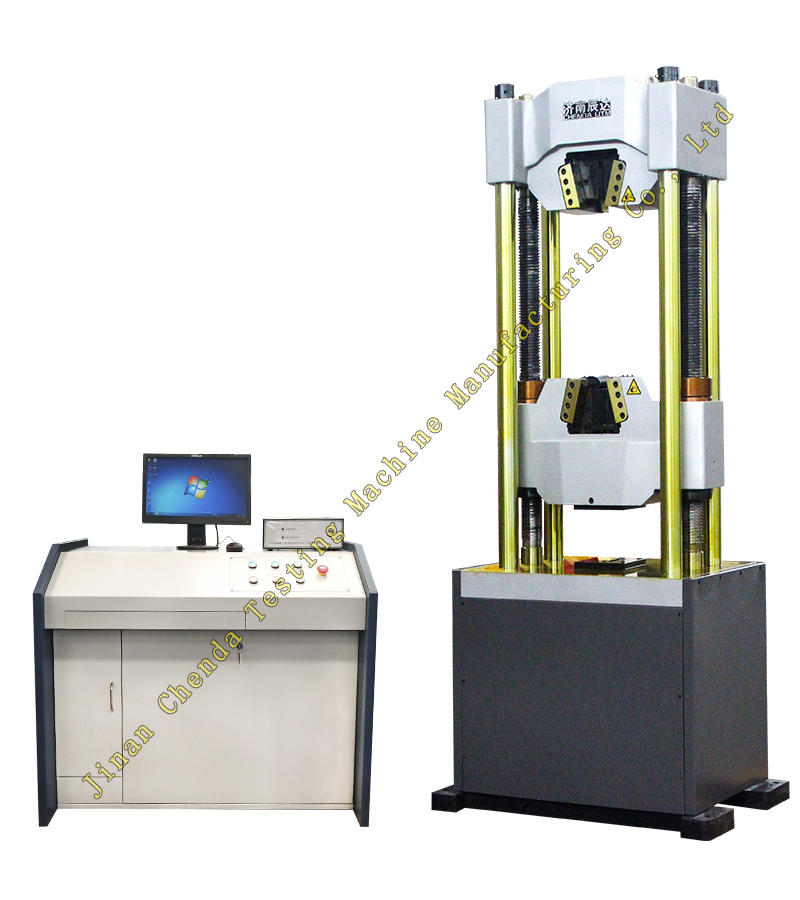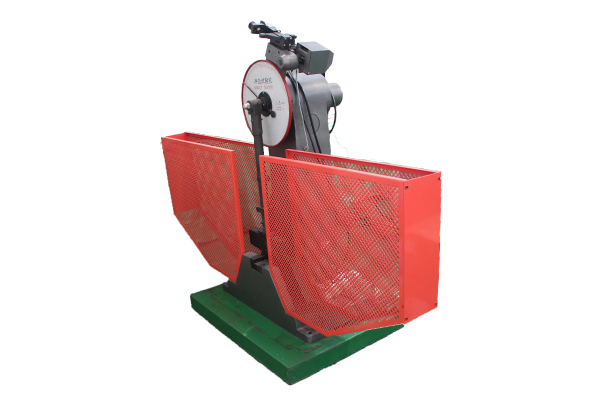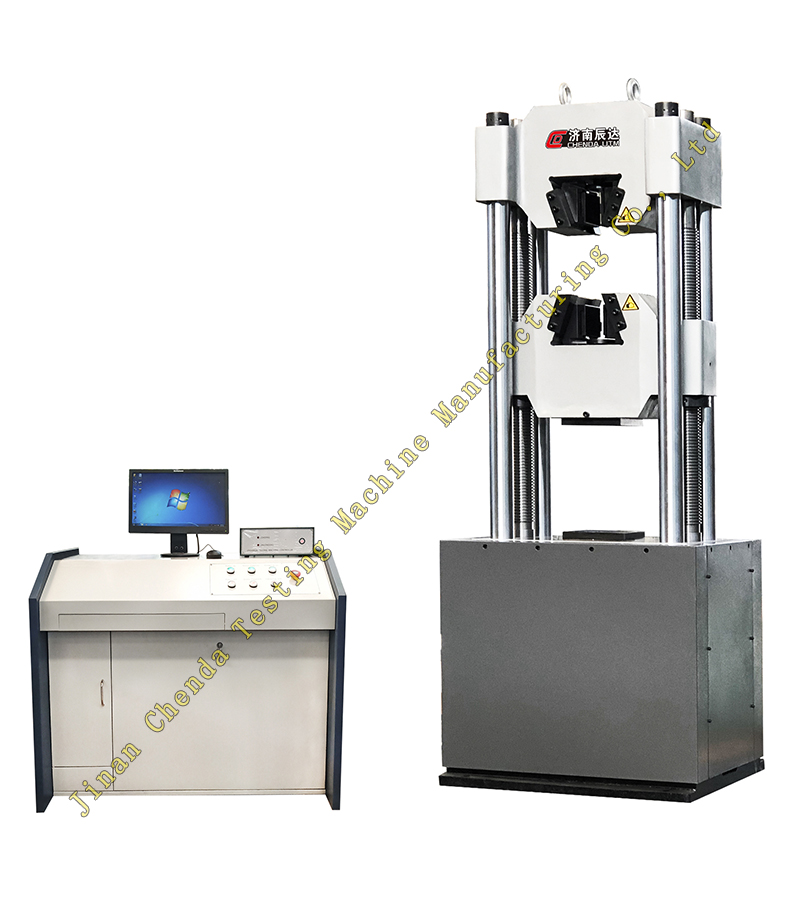
As the core equipment for testing the mechanical properties of materials, the metal tensile testing machine plays an irreplaceable role in the entire process of steel production, quality inspection, and engineering applications. It serves as a crucial support for ensuring steel quality and engineering safety.
In the steel production process, this equipment is primarily used for the quality control of raw material inspection and the rolling process. For various types of steel, such as rebar, steel plates, and section steel, the testing machine measures three core indicators: yield strength, tensile strength, and elongation through tensile tests, accurately determining whether the steel meets the GB/T 228.1 national standard. For example, Grade III rebar used in construction must be tested by the testing machine to ensure its yield strength is above 400MPa, to avoid potential engineering hazards due to substandard raw material performance. During the rolling process, sampling inspection is conducted on semi-finished steel products, allowing timely adjustments to process parameters such as rolling temperature and reduction ratio, thereby reducing the risk of defects in mass-produced products.
During the finished product delivery and engineering acceptance stages, the metal tensile testing machine is an essential tool for issuing qualified inspection reports. For special steel materials used in major projects such as bridges, high-speed railways, and nuclear power plants, in addition to conventional tensile testing, it is also necessary to utilize the testing machine to conduct special tests such as low-temperature tensile testing and fatigue tensile testing, simulating the mechanical properties under extreme working conditions to ensure the stable service of steel materials in harsh environments. Furthermore, the data acquisition system equipped with the testing machine can automatically record the force-displacement curve, providing a quantitative basis for steel material performance analysis and process optimization.
The application of metal tensile testing machines not only establishes the first line of defense for steel quality, but also drives the technological upgrading of steel production enterprises, assisting downstream engineering fields in achieving safe and efficient construction goals.