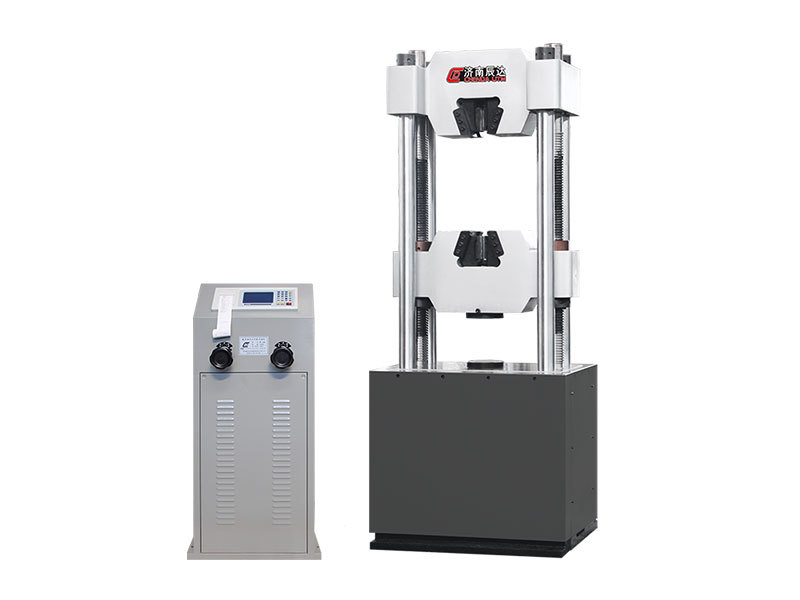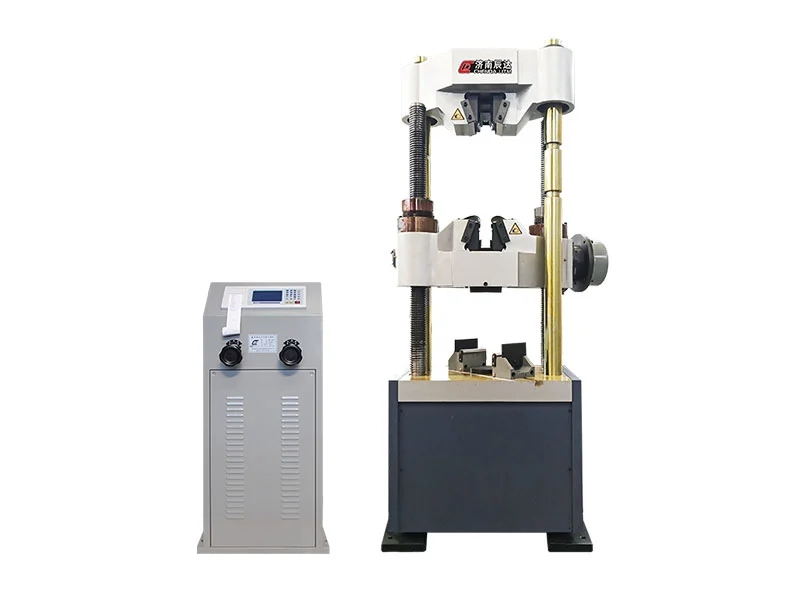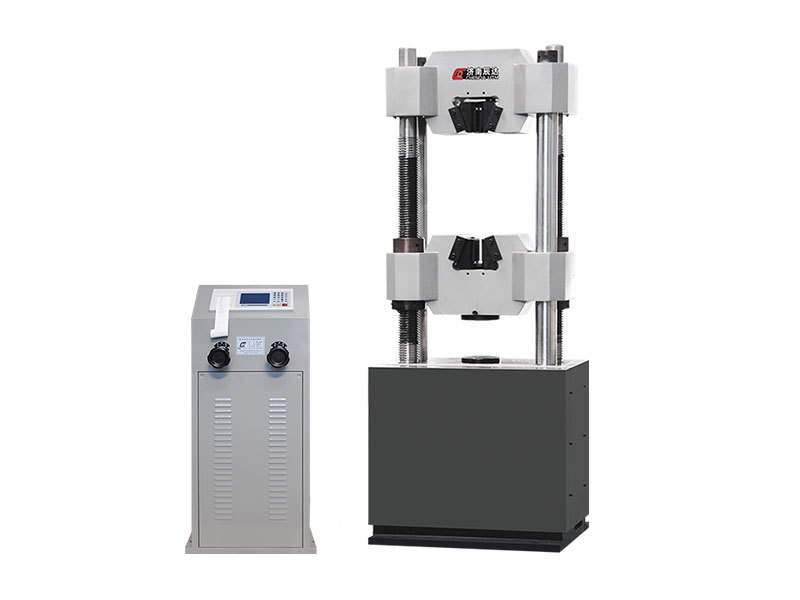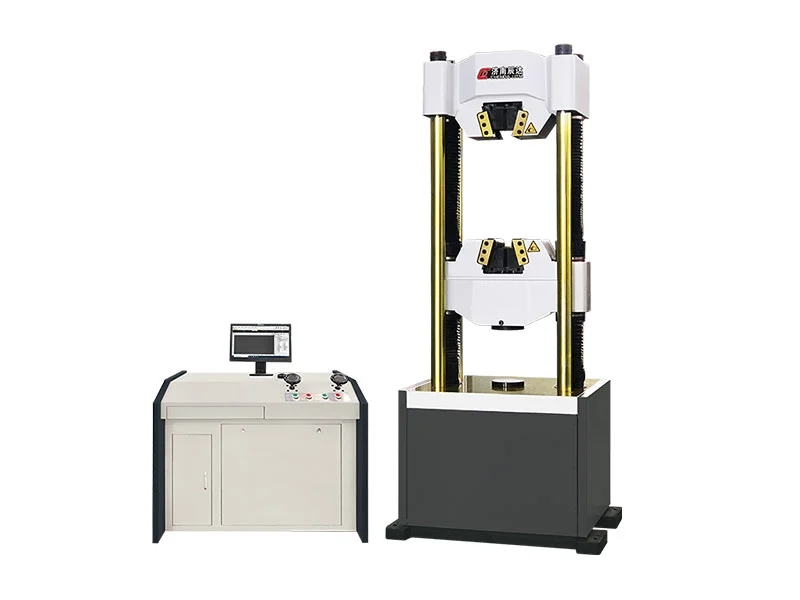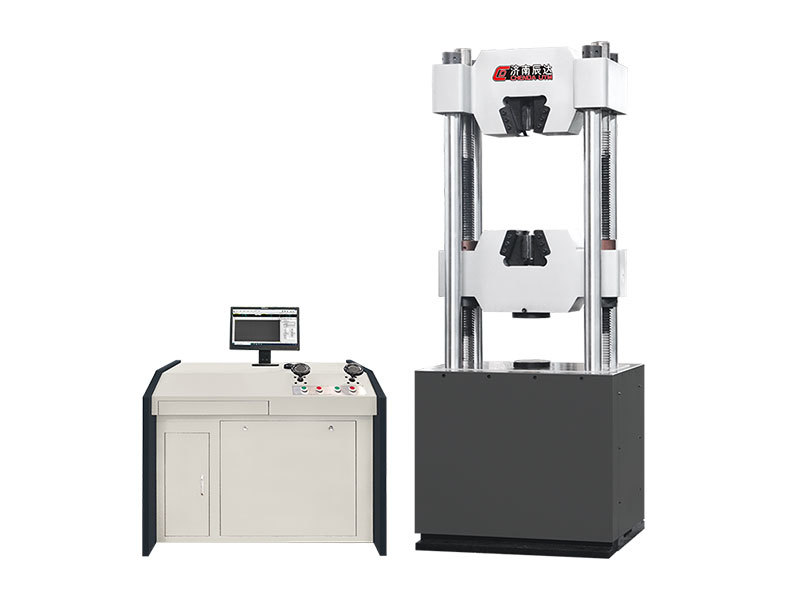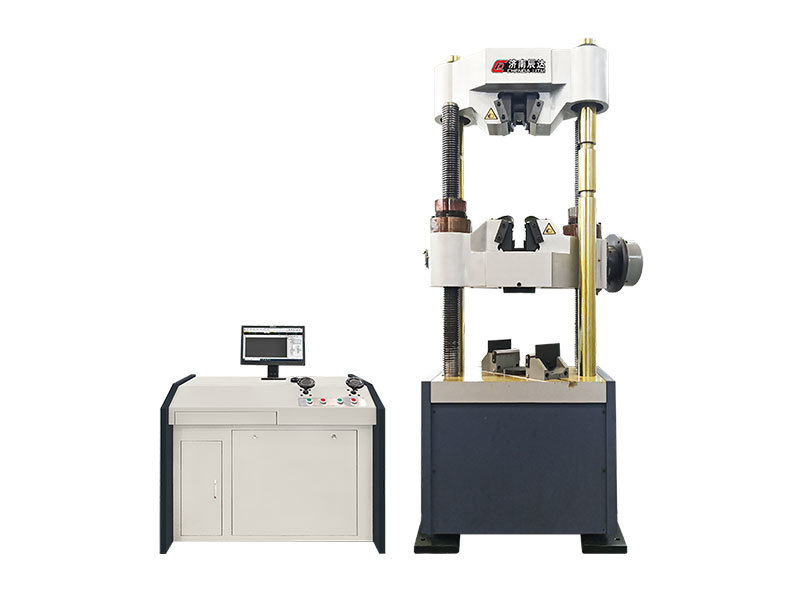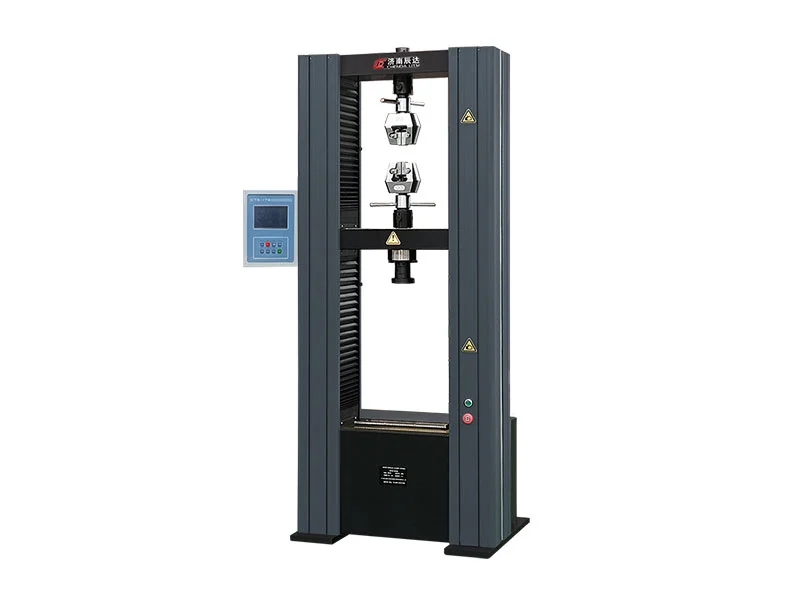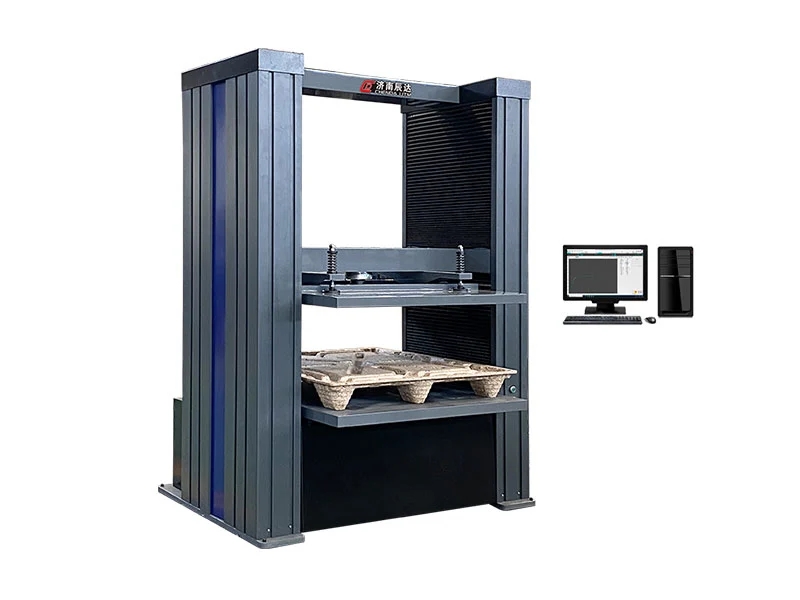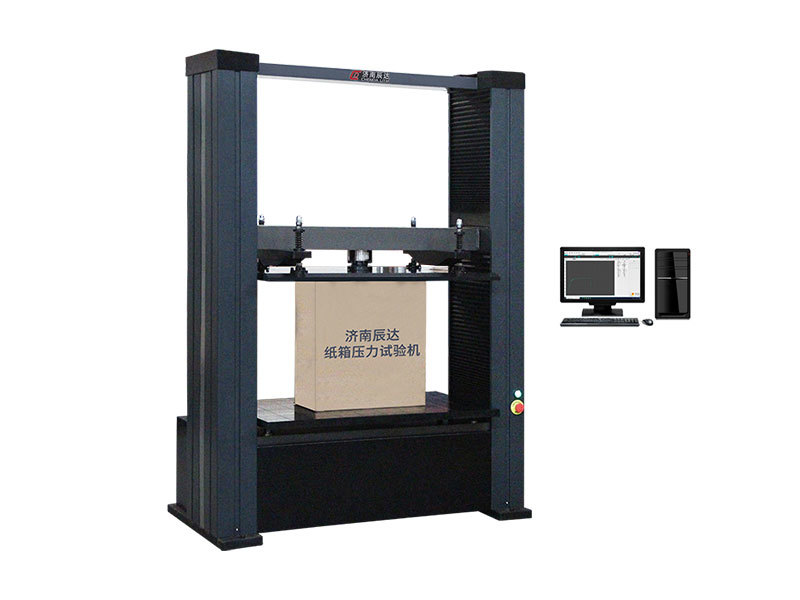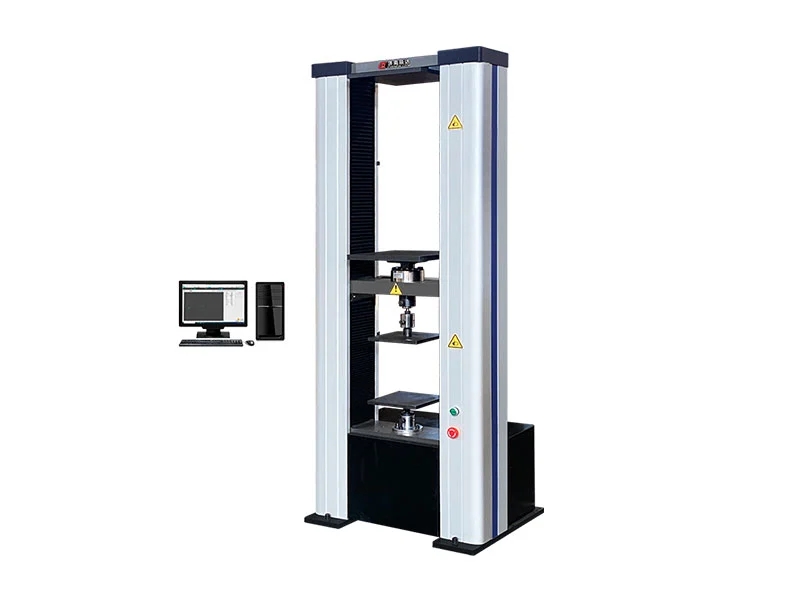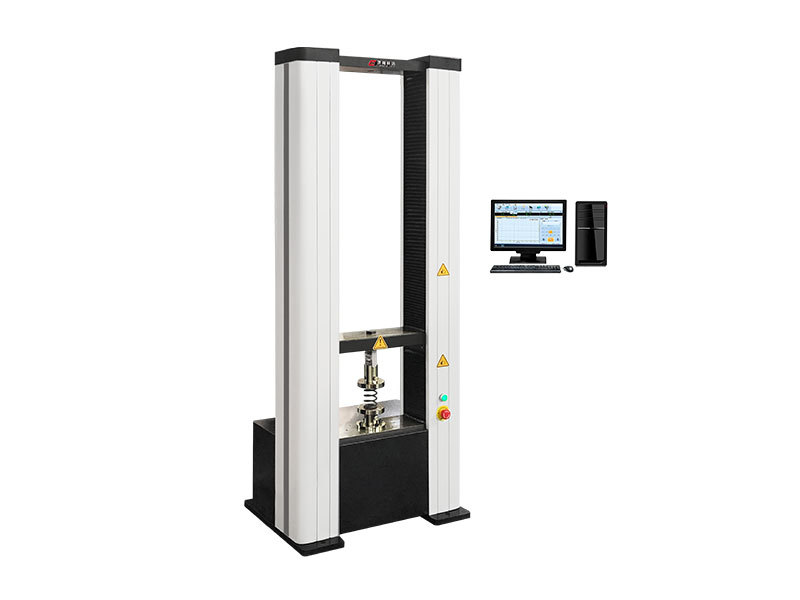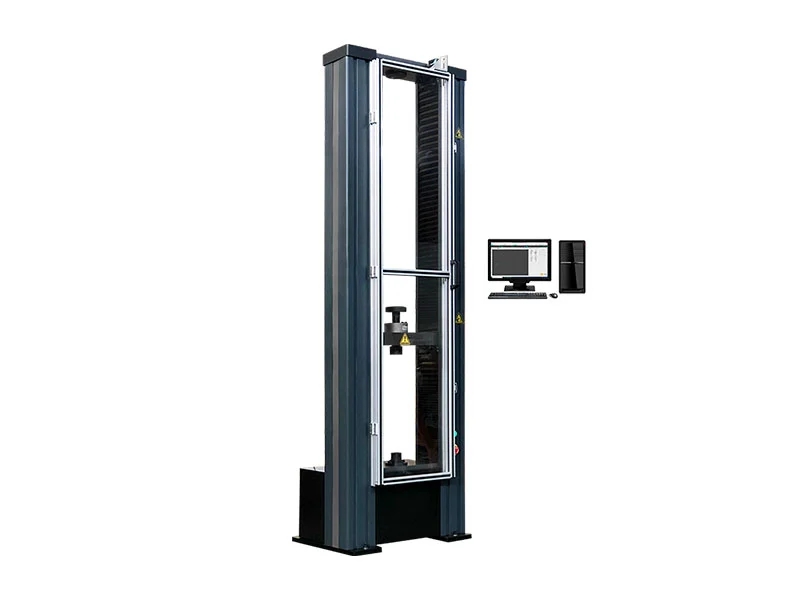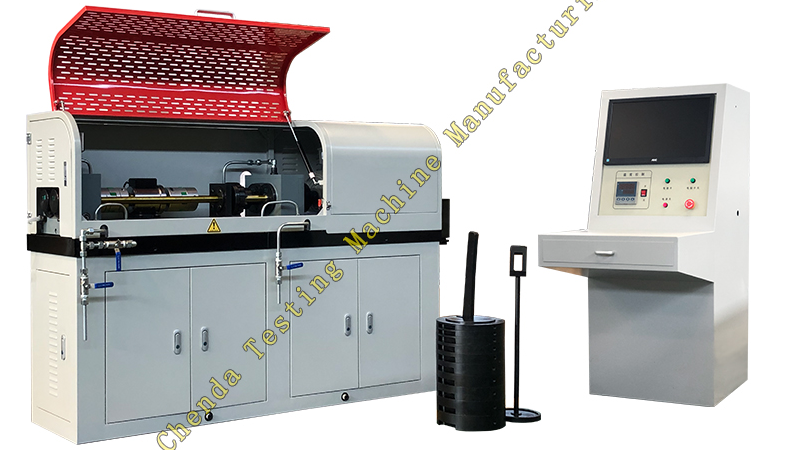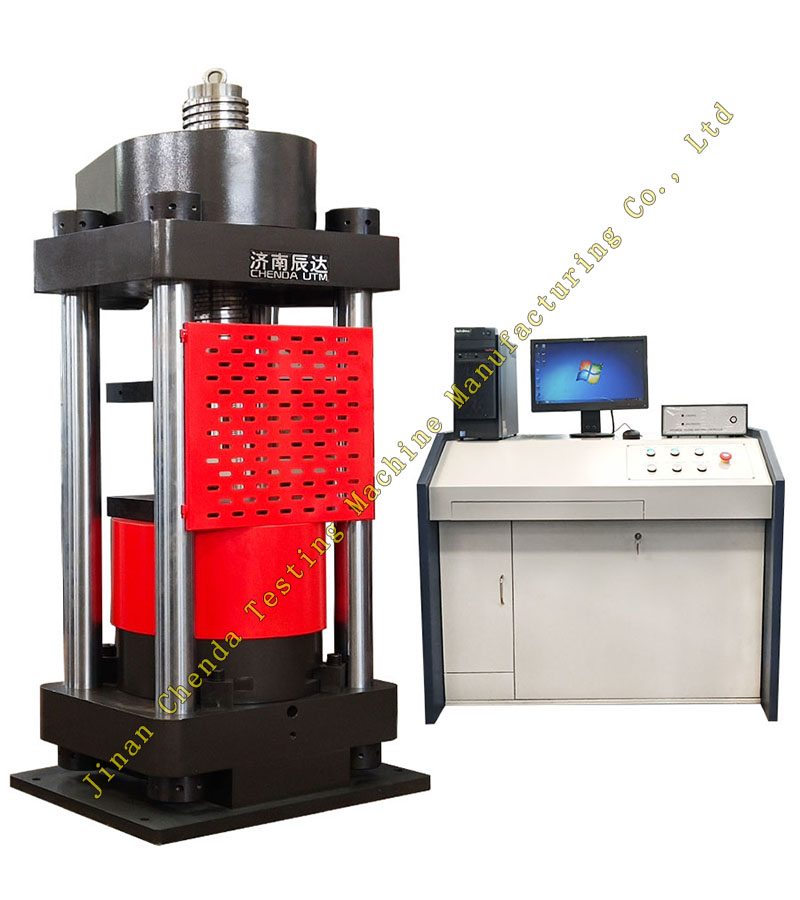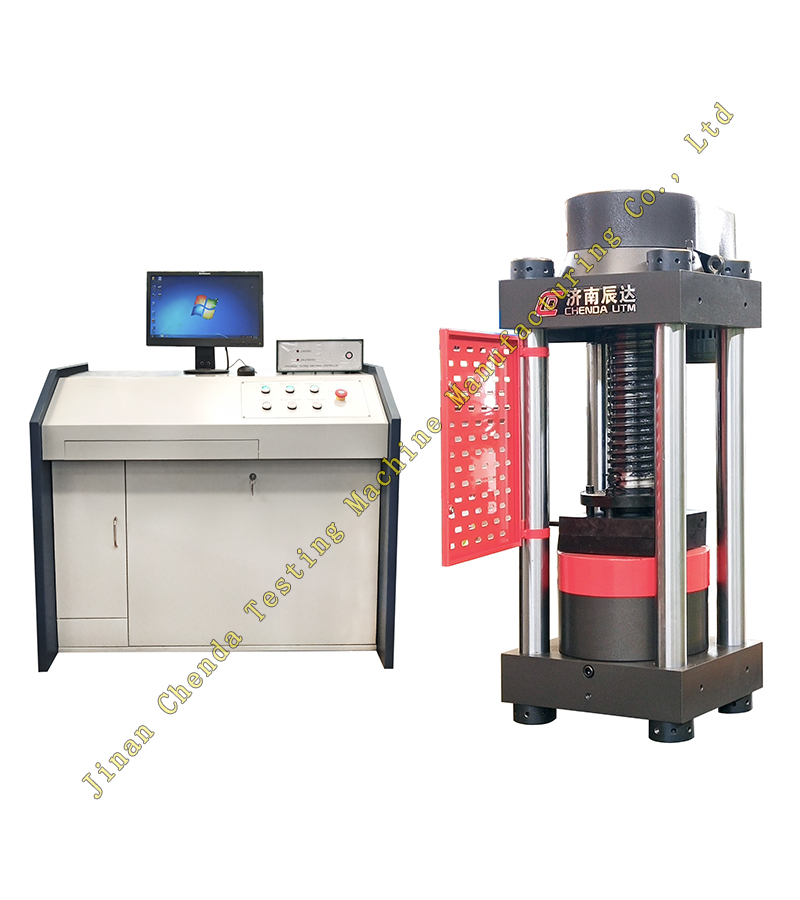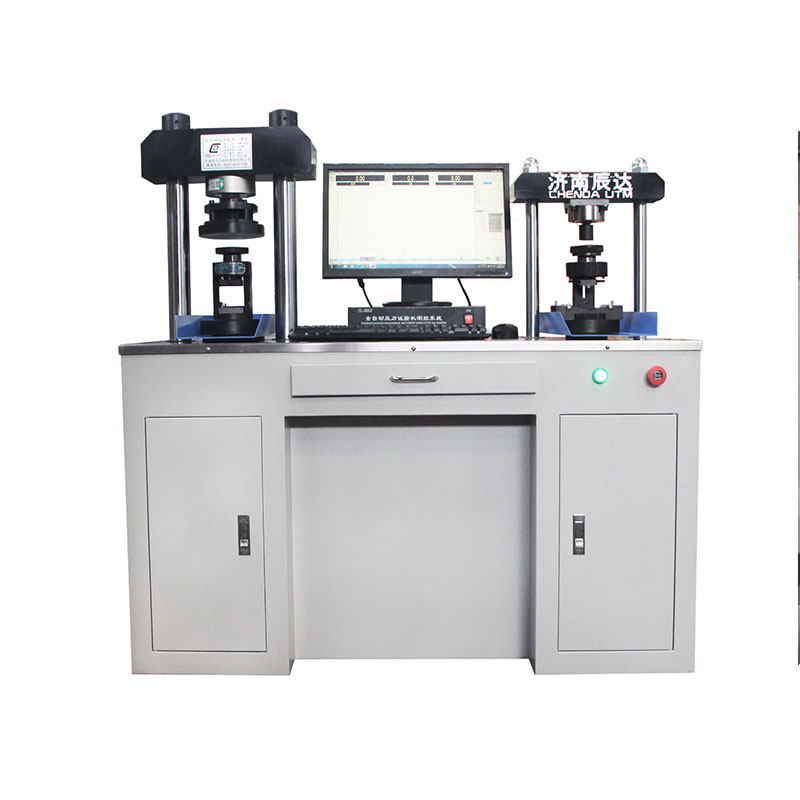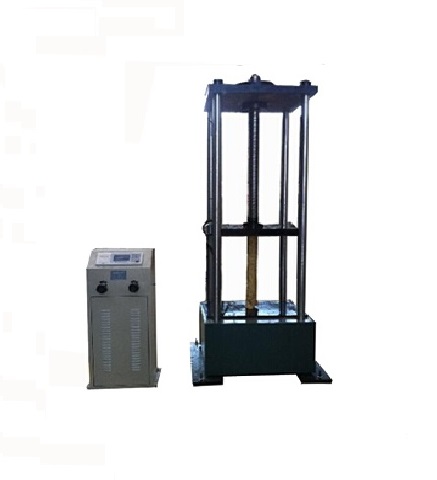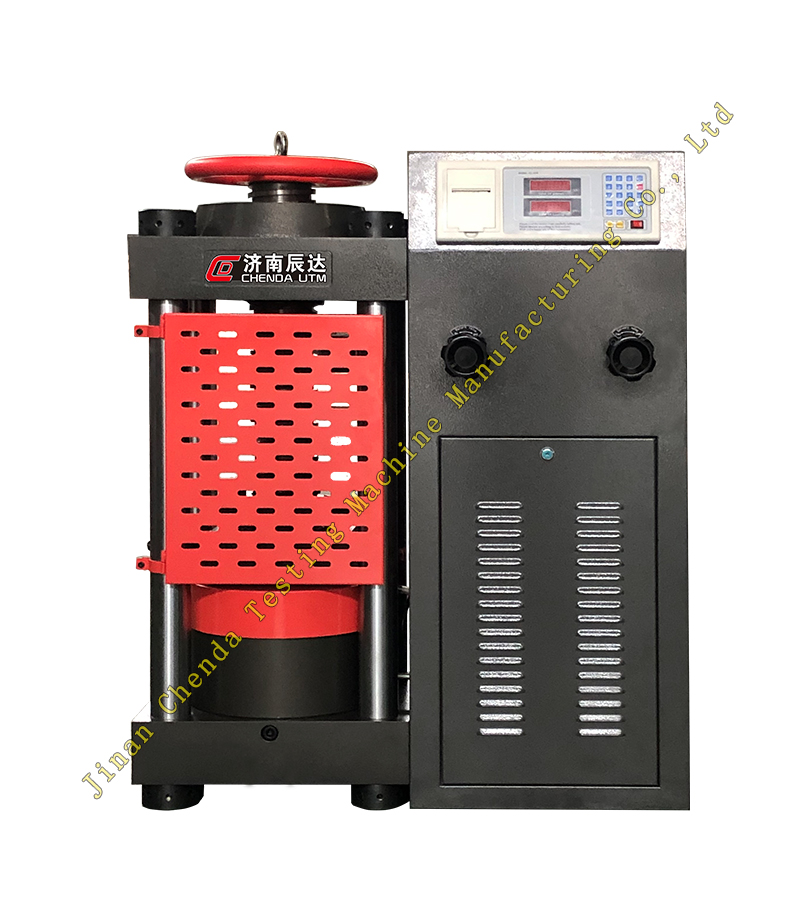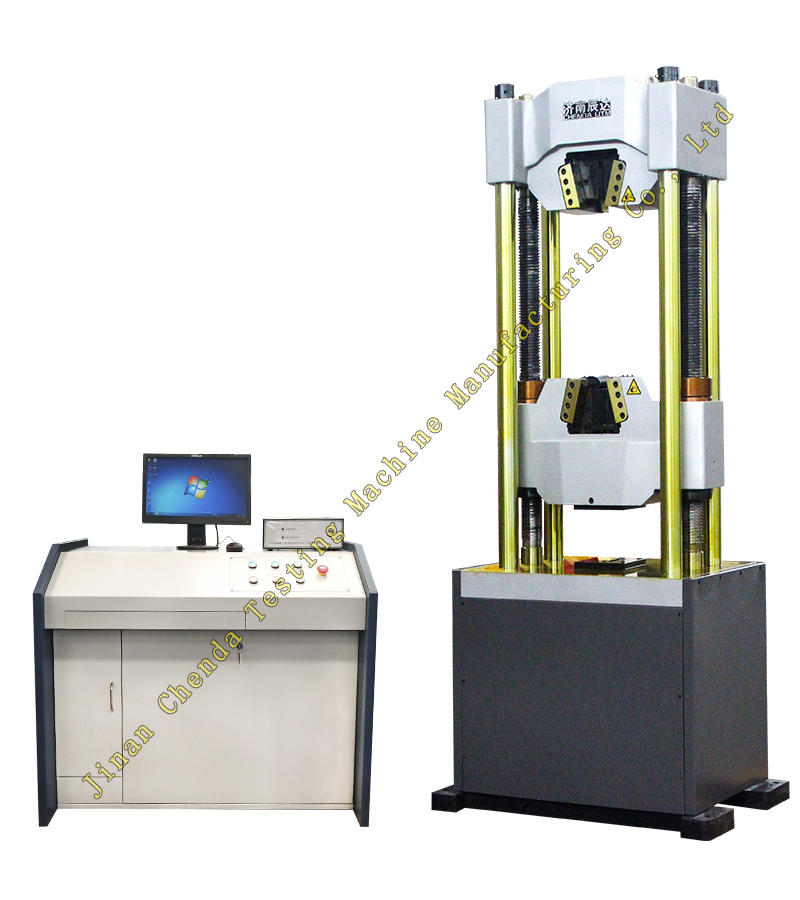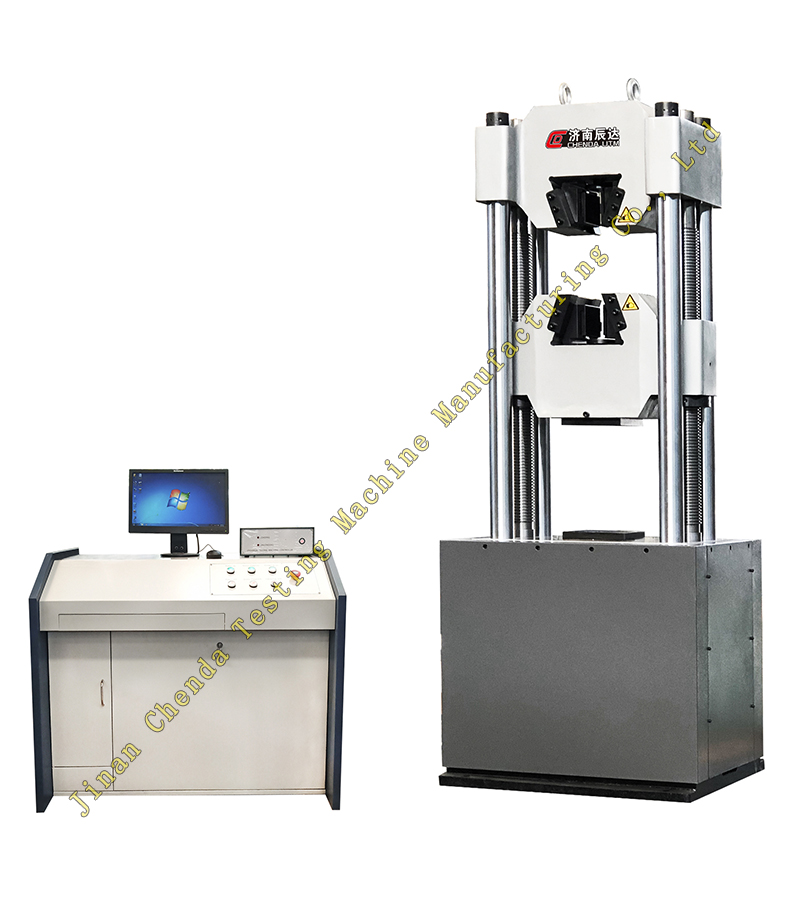
The universal testing machine is the core equipment for steel structure enterprises to conduct mechanical property testing of materials and components. It can accurately verify whether steel materials and finished components meet design and specification requirements through various loading modes such as tension, compression, bending, and shear. It is mainly used for the following key tests.
First, quality inspection of raw materials upon arrival. The base materials used in steel structure production, such as hot-rolled steel sections, steel plates, and steel strips, need to undergo tensile testing using a universal testing machine to measure core indicators such as yield strength, tensile strength, and percentage elongation after fracture, to determine whether the materials meet the standard requirements of grades such as Q235 and Q355. At the same time, cold bending tests are conducted by bending the test samples to a specified angle to check for cracks at the bend and verify the cold workability of the steel, thereby preventing unqualified raw materials from entering the production line at the source.
Secondly, it is the performance testing of welded joints. Welding is the primary connection method for steel structural components, and the quality of welded joints directly determines the structural stability. The universal testing machine can conduct tensile tests on welded joint samples to detect the tensile bearing capacity of the joints and assess the fusion quality between the weld metal and the base material. It can also perform bending tests to inspect the plastic deformation capacity of the joints, identify defects such as porosity and slag inclusions inside the weld, and ensure that the mechanical properties of the welding area are not inferior to those of the base material.
Thirdly, it is the testing of high-strength bolt connection sets. High-strength bolts are key components for connecting steel structure nodes. Universal testing machines can conduct tensile load tests on bolts to measure their pre-tightening force and fracture load, verifying whether they meet high-strength grade requirements. At the same time, shear tests are conducted to simulate the shear state of bolts under actual stress, detecting the shear bearing capacity of bolt connection sets and ensuring the reliability of node connections.
Fourthly, spot checks on the mechanical properties of finished components are conducted. For finished components such as steel beams and steel columns, samples are taken proportionally and subjected to bending and compressive tests using a universal testing machine. This verifies the deformation and ultimate bearing capacity of the components under design loads, assessing whether they meet the mechanical performance requirements for engineering installation. This provides data support for the safe construction and long-term service of steel structure projects.