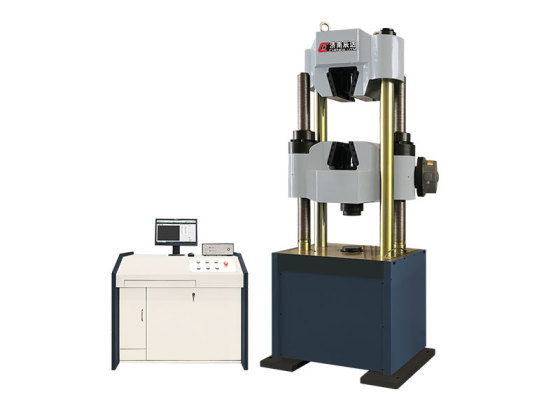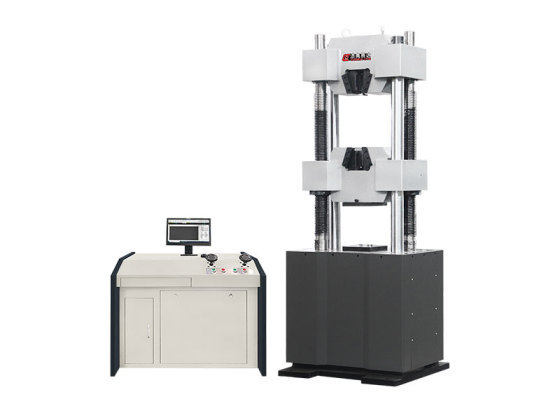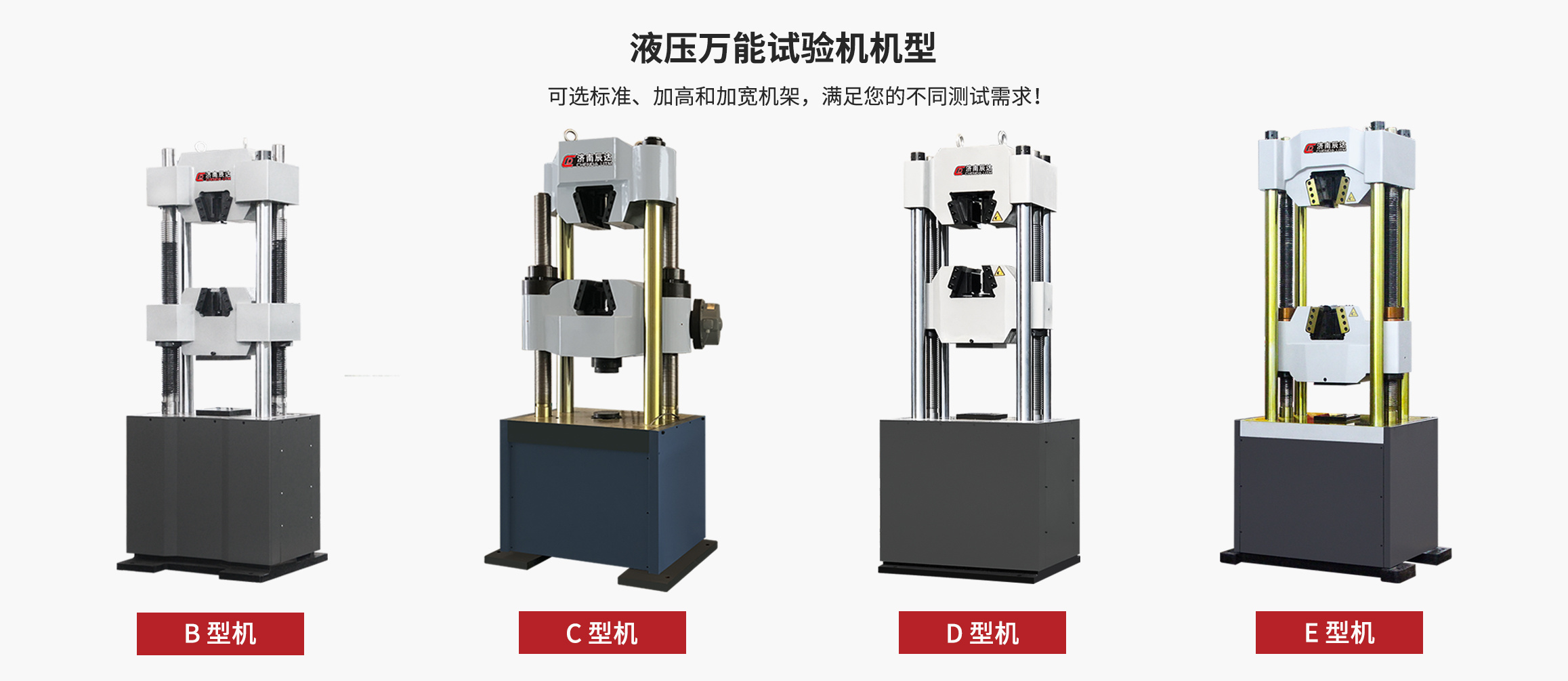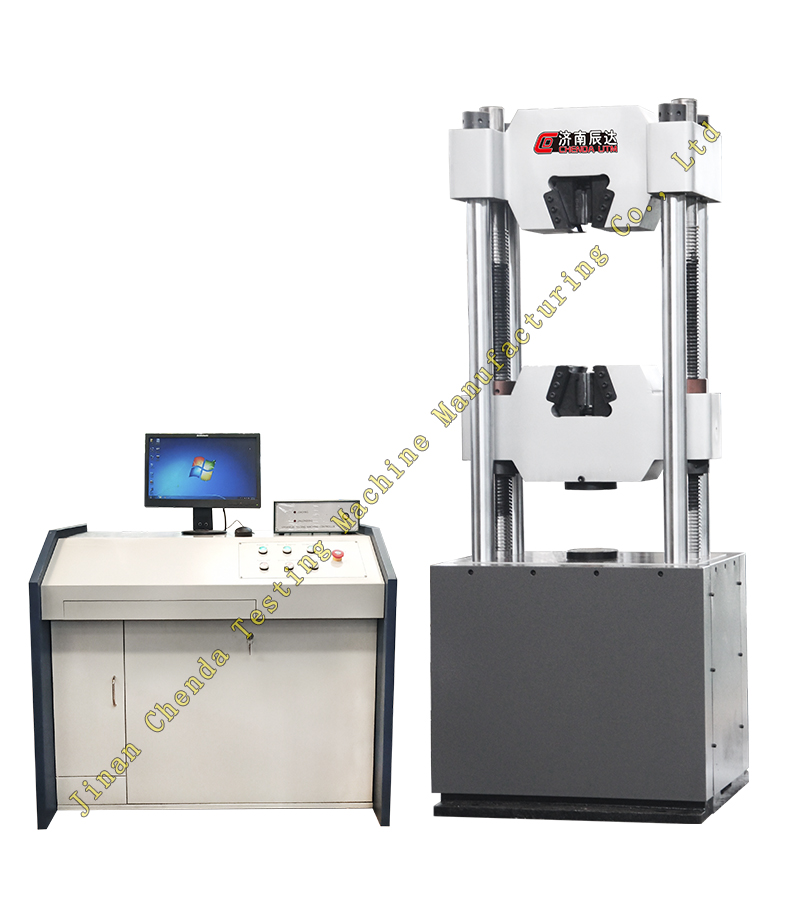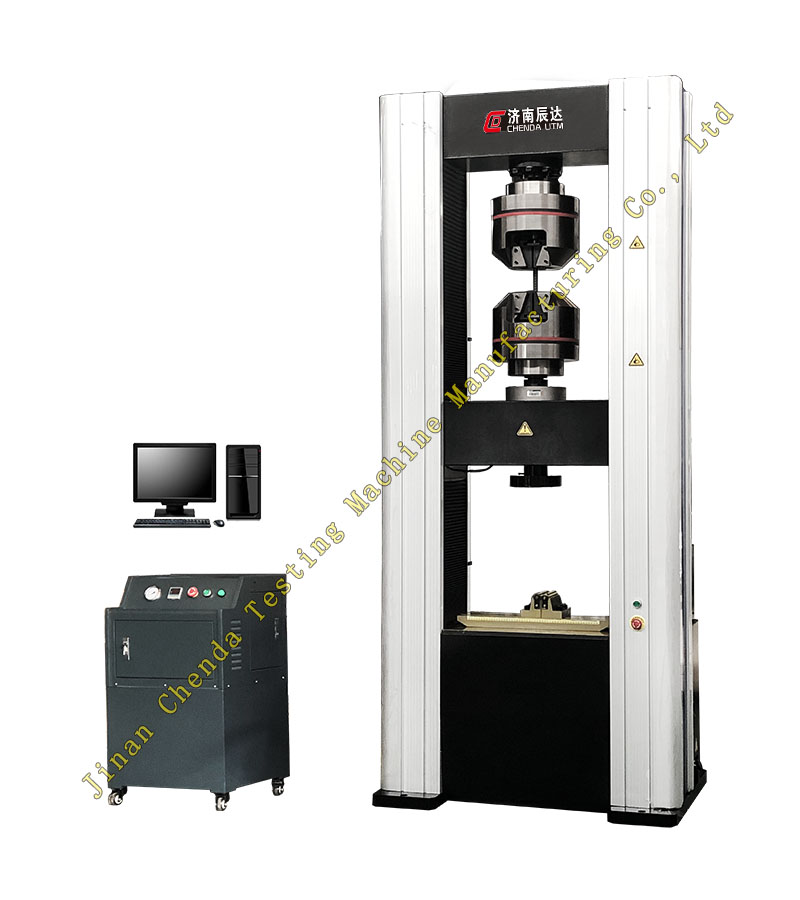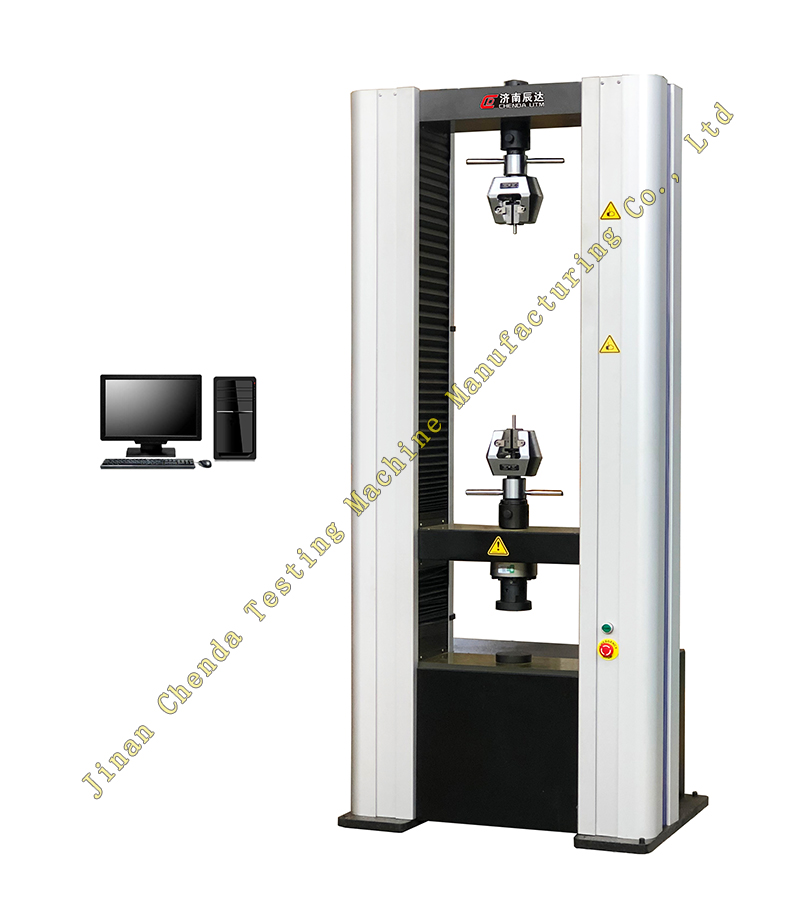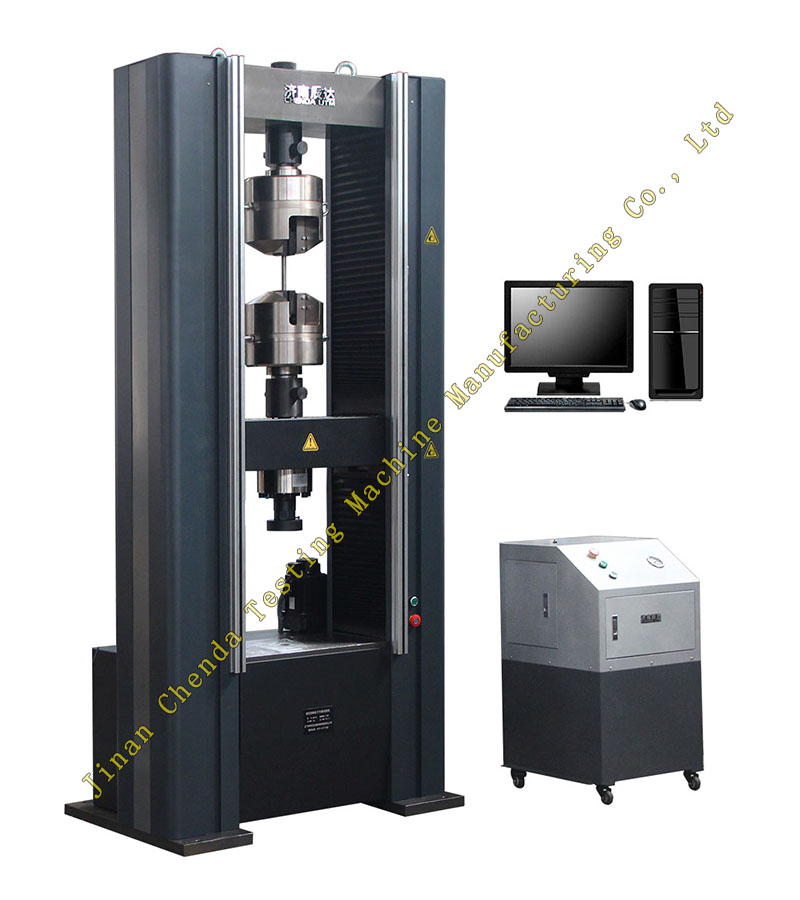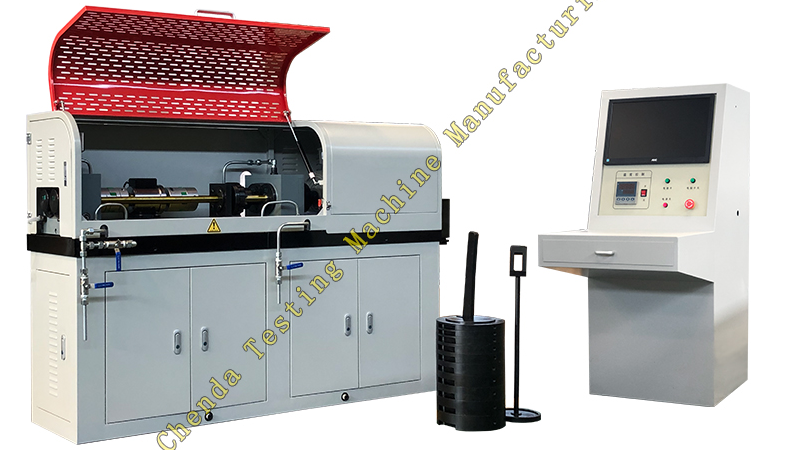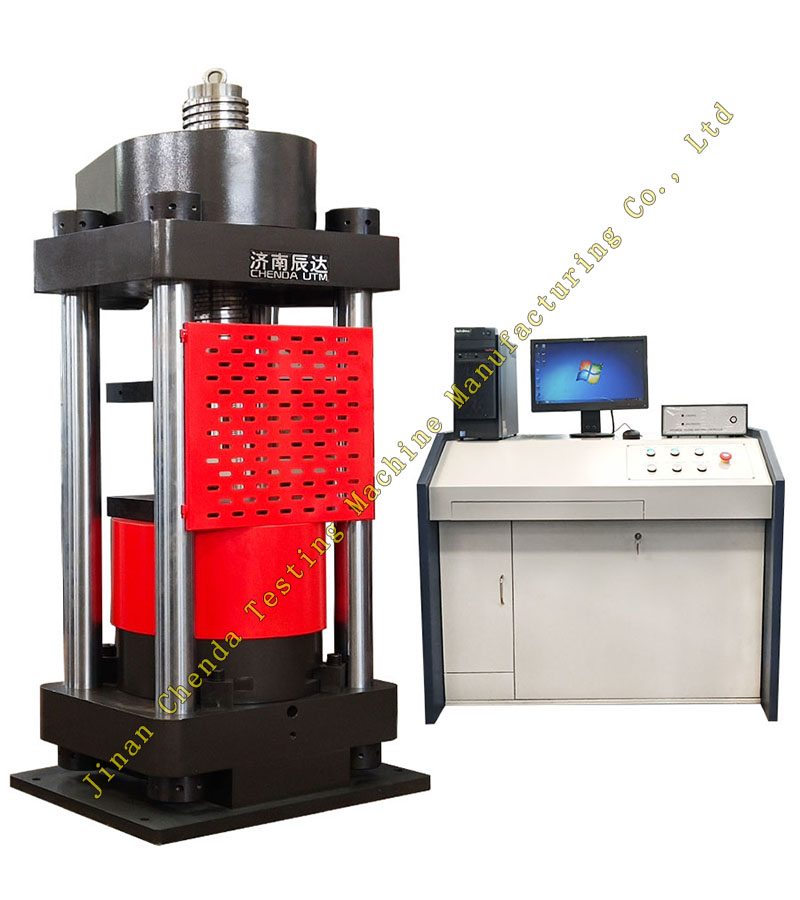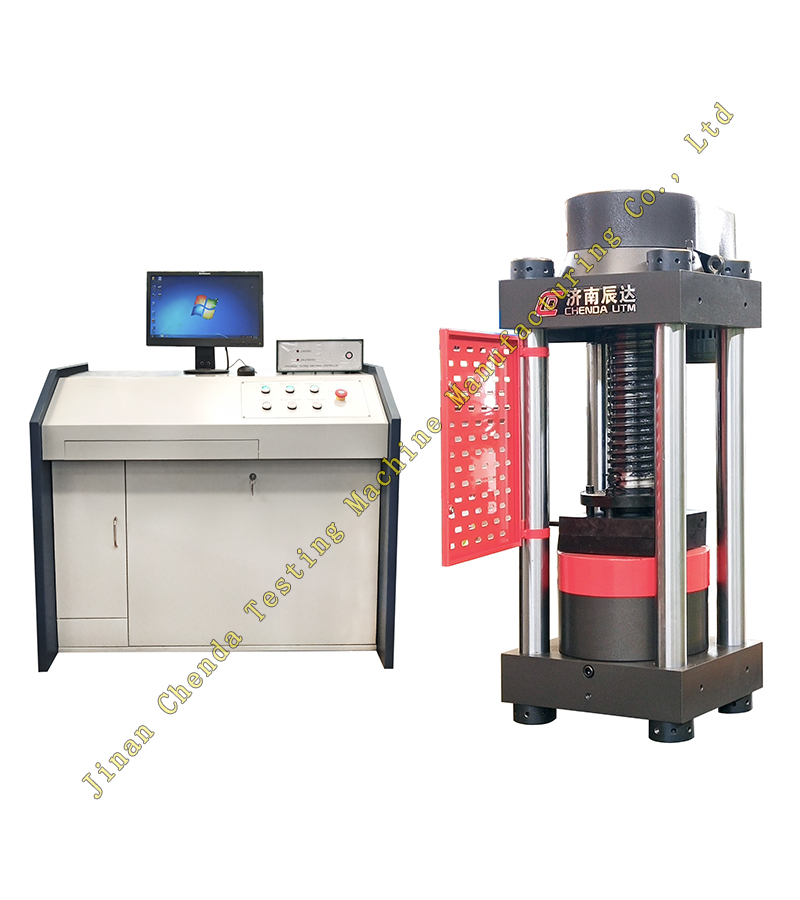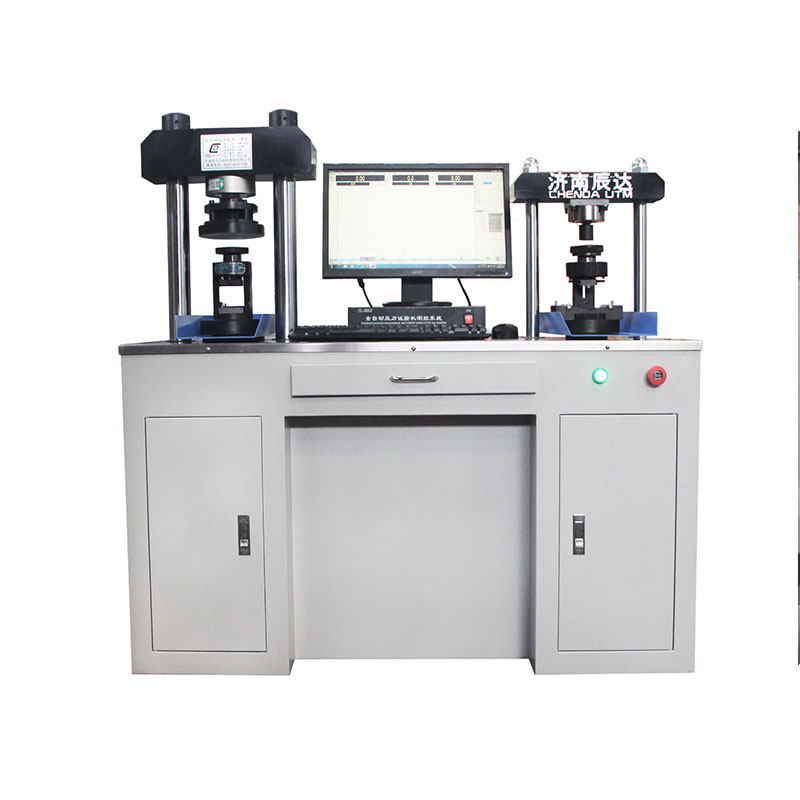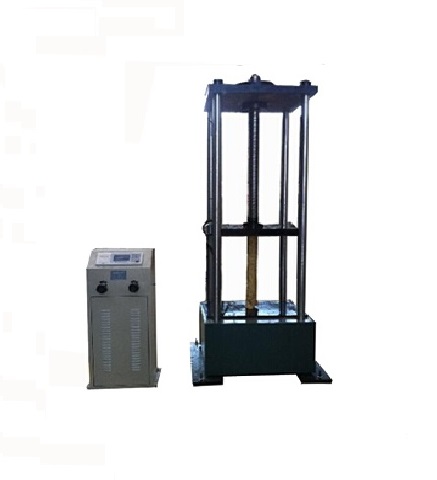
Electric power fittings are the "joints and links" of transmission lines, and their mechanical properties directly determine the safe and stable operation of the power grid. Testing machines, as core testing equipment, penetrate the entire lifecycle of electric power fittings, from research and development, production, grid access, to in-service operation. From basic mechanical verification to extreme condition simulation, they provide authoritative data support for fittings quality and are a key means for industry standardization and safety control.
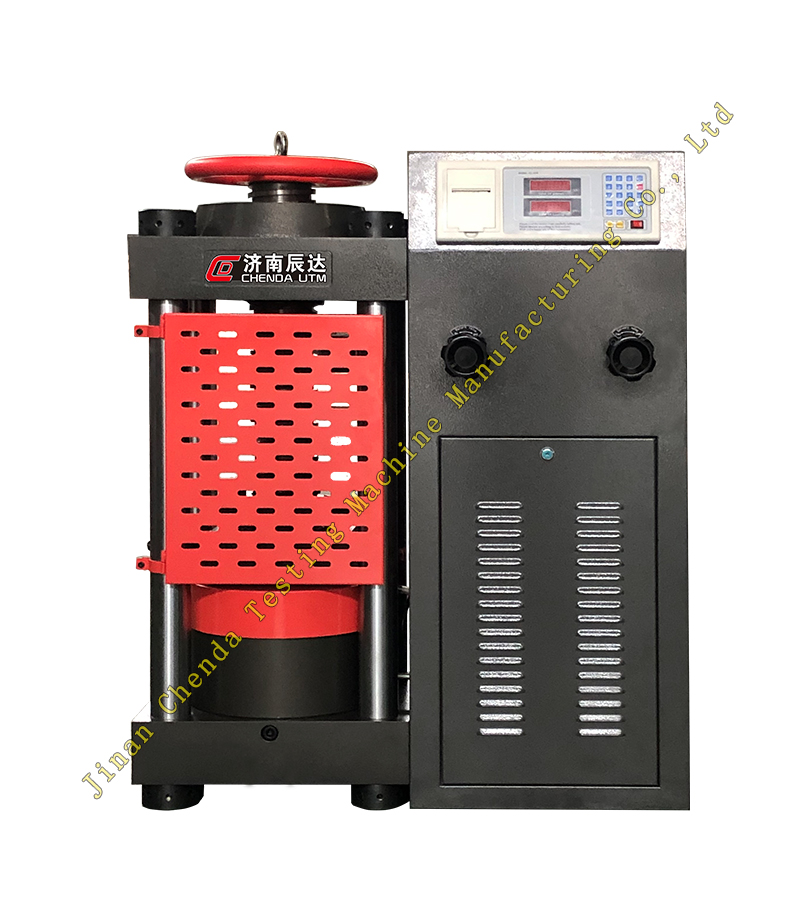
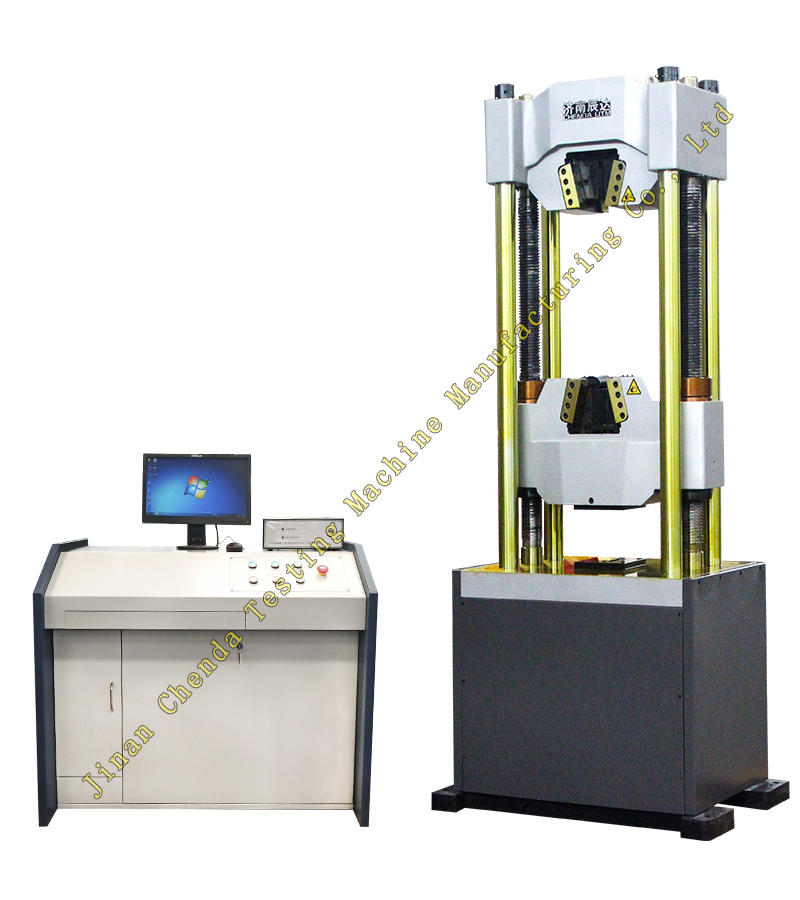
Quality control of raw materials is the first hurdle. The universal material testing machine conducts tensile, compressive, and bending tests on metal fittings such as aluminum, steel, and aluminum alloy substrates. It precisely measures indicators such as yield strength, tensile strength, and elongation, thereby preventing unqualified materials from entering the production process at the source. This ensures that the metal fittings possess sufficient load-bearing capacity and structural toughness.
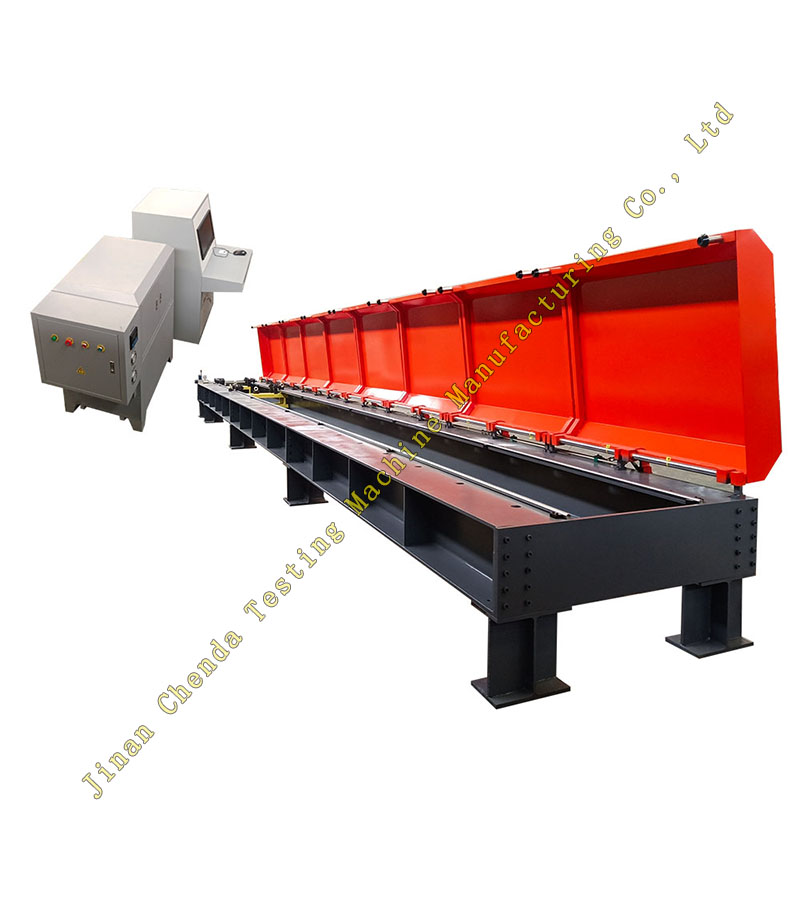
Mechanical property testing of finished products is a core application. Tensile testing machines are used to conduct tests on clamp grip strength, slip, and failure load, verifying the gripping effect of strain clamps and splicing sleeves on conductors and ensuring that the grip strength values meet national standards. Static load tests simulate long-term stress conditions on the line, detecting any deformation, slippage, or fracture of hardware fittings to eliminate the risk of line detachment. Meanwhile, shear and torsion tests assess the shear and torsion resistance of connecting hardware fittings, meeting the requirements of complex stress conditions.
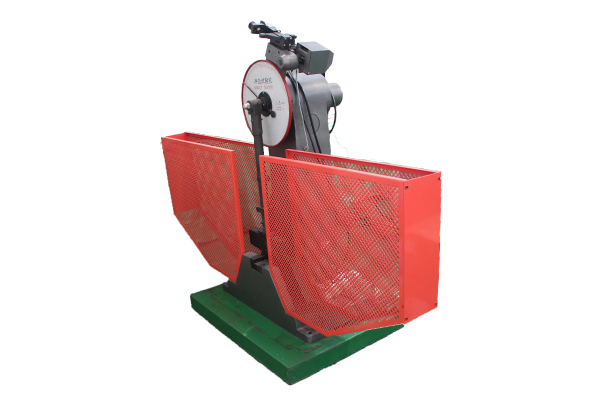
Extreme operating conditions and durability verification enhance the reliability of hardware throughout its entire lifespan. The fatigue testing machine simulates alternating loads such as wind vibration and icing, conducting millions of cycles of testing on components like suspension clamps, vibration dampers, and hanging rings to assess their fatigue life and prevent potential fracture hazards during long-term operation. The impact testing machine performs low-temperature impact tests to ensure that hardware in severe cold regions does not undergo brittle failure. Combined with an environmental test chamber, the testing machine can also complete mechanical retesting after exposure to high and low temperatures and salt spray corrosion, accurately reflecting performance degradation in harsh outdoor environments.
In type testing, network access sampling inspection, and fault analysis, the testing machine provides statutory-level testing data, which serves as the core basis for the qualification certification of hardware fittings. Through precise quantitative testing, it not only supports enterprises in optimizing structural design and improving production processes, but also assists power grid enterprises in selecting high-quality products and reducing line operation and maintenance risks.
The testing machine has evolved from a single mechanical testing tool to a core equipment for quality control, technological upgrading, and safety assurance of electrical power fittings, providing solid technical support for the construction of a robust power grid.